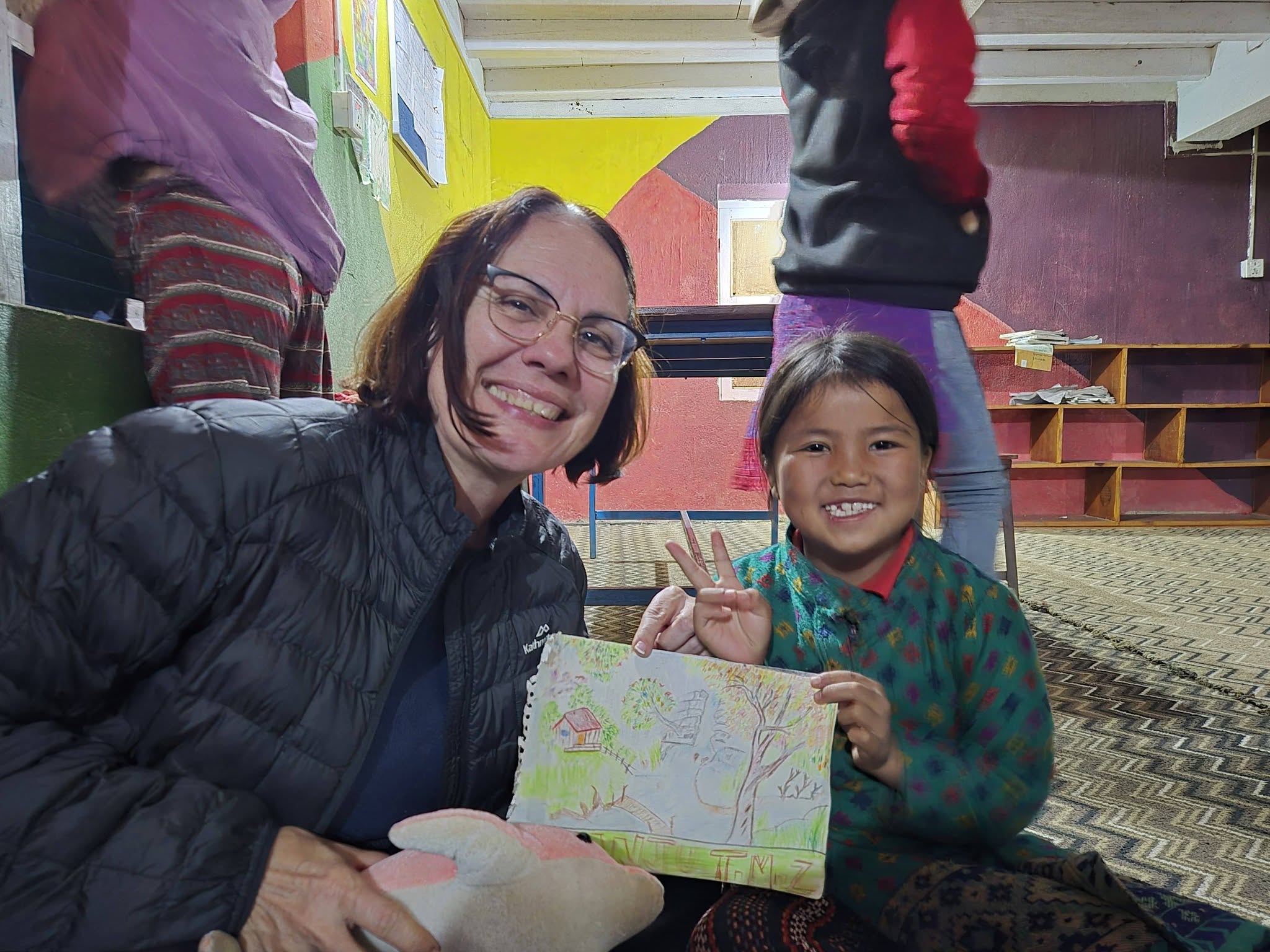
Friends of Himalayan Children (FHC) is a volunteer-run, humanitarian organisation, working in remote rural communities in the Sindhupalchok region of Nepal and in Kathmandu.
Its aim is to improve the lives of vulnerable women and children in Nepal, through better access to quality education and training, and through community development projects.
It strives to provide empowerment through education.
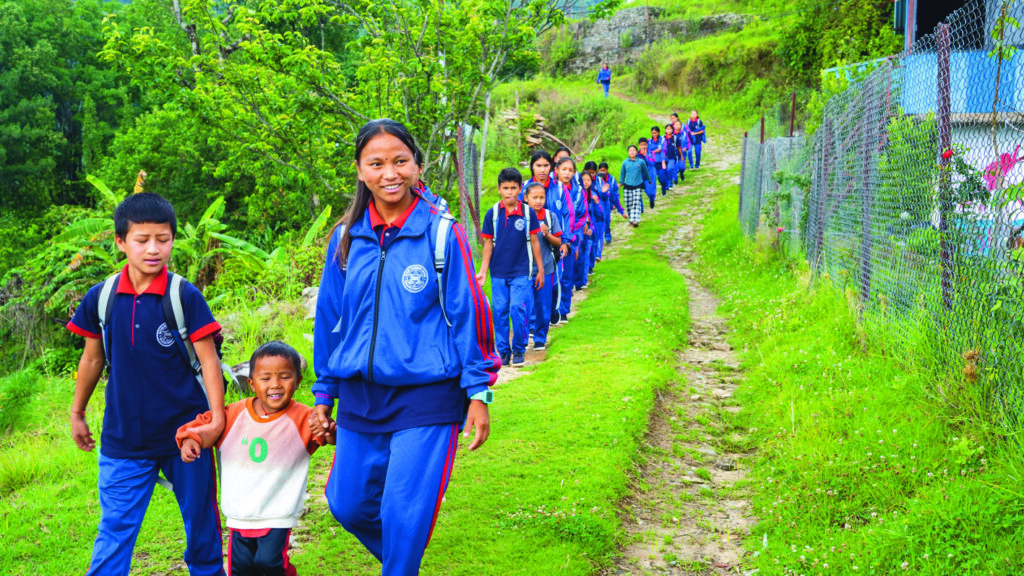
DG Rita believes Rotary is built on the power of connections. After learning of Som Tamang’s inspiring mission to protect and educate vulnerable children in Batase, Rita & Brien felt compelled to support the school’s growth.
Rita’s Rotary club had already partnered with FHC through a 2022 district grant, and when FHC sought tax deductibility, those same Rotary connections helped navigate the challenges, and secured a Rotary Australia World Community Service (RAWCS) partnership. With trusted Rotary partners in Nepal and a clear vision to expand Batase School to be the central hub for education within the local area, Rita & Brien chose this project for its life‑changing, long‑term community impact.
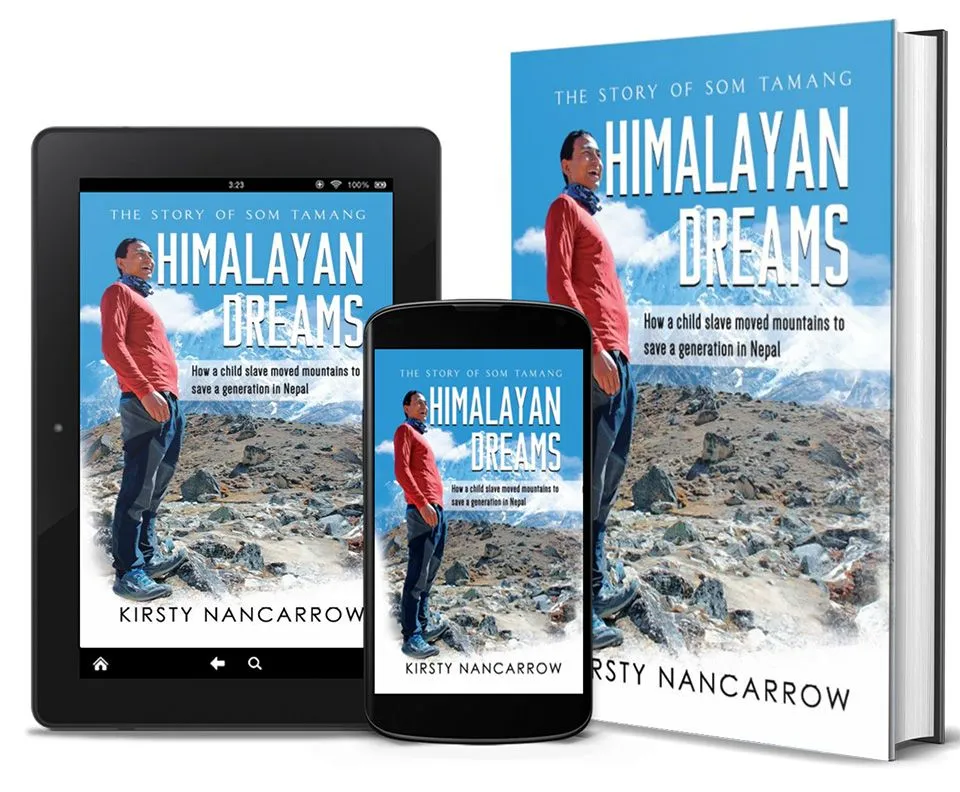
DG Rita’s connection to this project began through her long‑standing friendship with Cairns journalist and author Kirsty Nancarrow.
Kirsty is the writer of Himalayan Dreams: The Story of Som Tamang, a powerful biography that documents Som’s extraordinary journey from child slave to humanitarian leader. His life story—marked by poverty, trafficking, child slavery, natural disasters, and near‑death experiences—reveals his unshakeable commitment to protecting Nepalese girls from trafficking and creating safe pathways to education.
Kirsty first met Som in 2015 while reporting for ABC News after the devastating Anzac Day earthquake in Nepal. Their connection deepened when she later spent a month in Batase teaching journalism, witnessing firsthand the impact Som’s work had on children whose school and hostel had been destroyed. Inspired by the resilience of the community and Som’s determination to rebuild, Kirsty wrote his story to amplify his mission and encourage global support for Batase.
Through Kirsty’s relationship with Som and her advocacy for his work, DG Rita learned of the challenges facing the Batase School and the urgent need for student accommodation.
These personal connections—built on shared values of service, protection, and education—are what inspired Rita to champion the FHC Batase School project as the District Governor Partner Project.
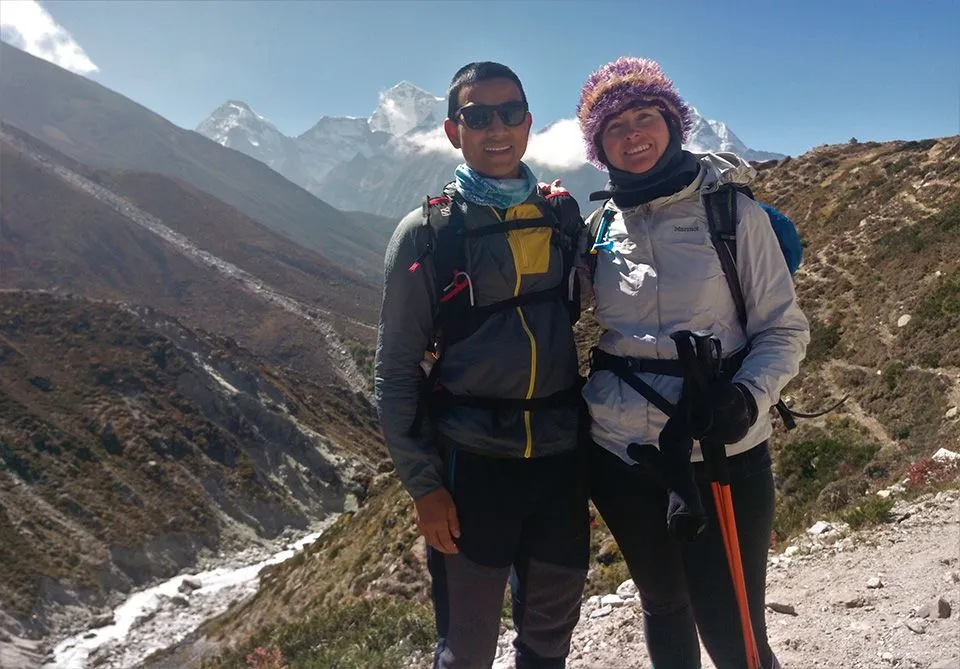
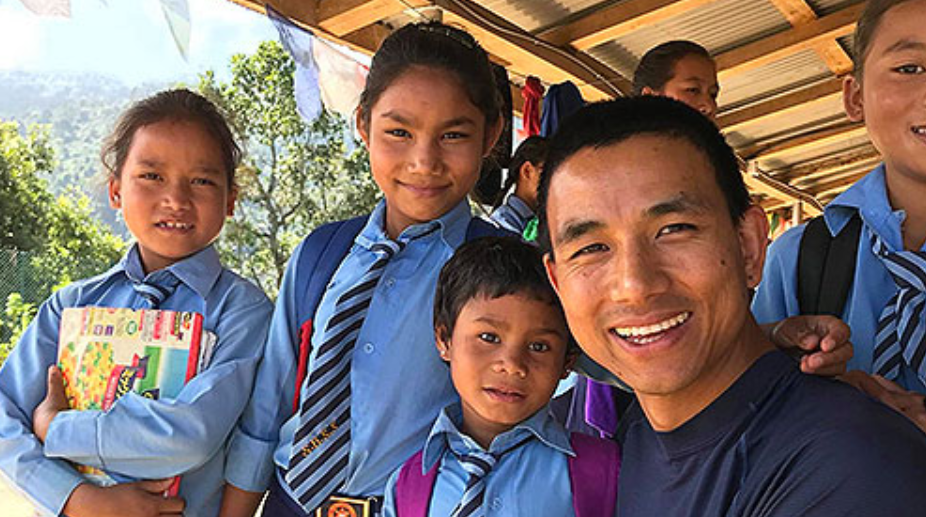
As a child working and living in Kathmandu, Som Tamang supported his family back in his home village of Batase. He saw education as a priority for his siblings and continued to support them after coming to Australia in 2003, but it was after a trip home to Nepal in 2006 that he felt compelled to help more widely. He was shocked by the poverty he saw and the lack of opportunities for young people in remote villages.
Realising that many village children with potential were leaving Batase to work on the streets of Kathmandu, Som determined to create a better future for them.
In 2007 Som purchased a 17-bedroom hostel in a village called Talamarang. Talamarang is a six-hour return walk from Batase Village. The closest high school to Batase Village is in Talamarang and many students, like Som himself, were forced to undertake this gruelling walk to high school each day. Many students gave up school as they were too tired at the end of the day to complete their homework and so fell behind with their studies.
Some students would live with local farmers in Talamarang and were forced to work long hours on the farm in exchange for accommodation.
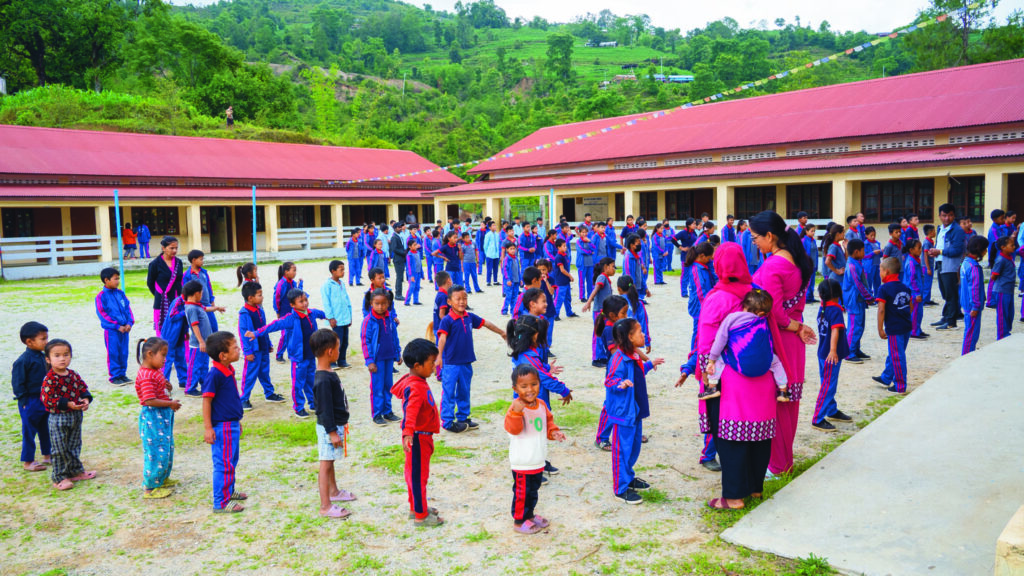
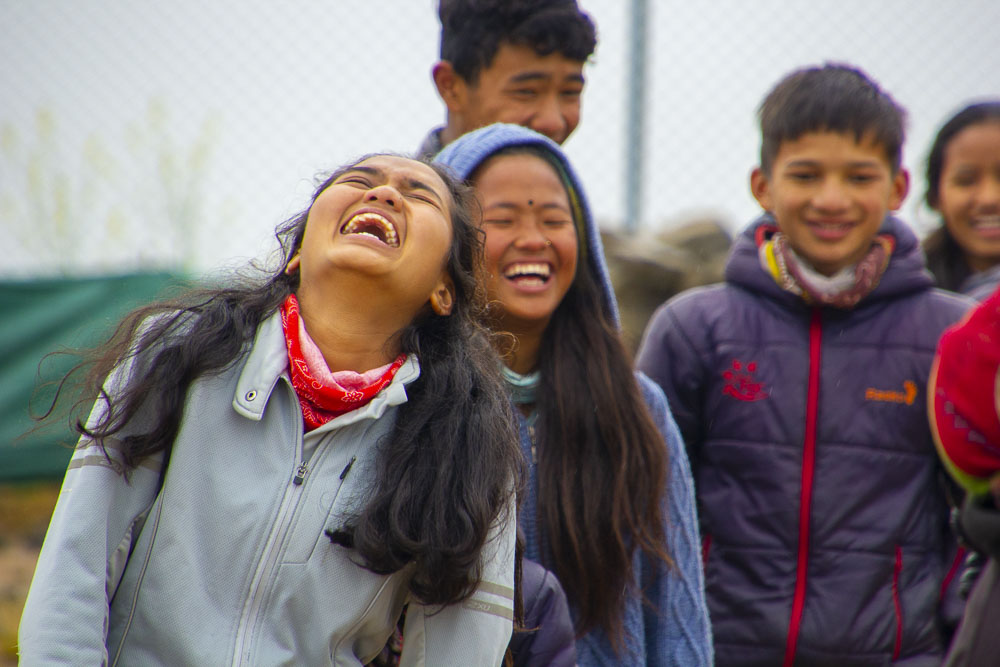
After setting up the hostel and ensuring that all the children were looked after, Som returned to Cairns where he began a university access course. After talking to his peers at the university about his goals, some students started to assist Som to achieve his goal. Friends of Himalayan Children Inc. was founded by a small group of young students who shared Som’s belief in helping others. Som returned to Nepal in 2009 with his partner Susan and after three months in the village, they gained a deeper understanding of the educational needs within the village primary school. After returning to Cairns, Som gave a presentation at the local library which resulted in a groundswell of support from a community inspired by Som’s drive and passion to help others.
Initially FHC focussed on expanding the Batase Village school to cater for children in Grades 4 to 8. They built a hostel to provide comprehensive care for disadvantaged children, including students from distant villages and those from families struggling to cope.
In the years that followed, the school was further expanded to cater for classes to Grade 10, and a volunteer program saw progress on a range of community development projects, including the establishment of a commercial chicken venture and a reforestation program.
The FHC journey was interrupted, by the devastating earthquake of April 2015. This destroyed both the school and the hostel and wreaked havoc on families and livelihoods.
Som’s much-loved brother, Amber, who had been President of the school committee, and had worked tirelessly and passionately for FHC in Batase, was among those killed in the earthquake.
FHC’s response to the disaster was immediate and is ongoing, thanks to a flood of donations from its supporters.
In partnership with FHC, we want to build a new student and teacher hostel beside Batase School, helping to remove major barriers to education in this remote region.
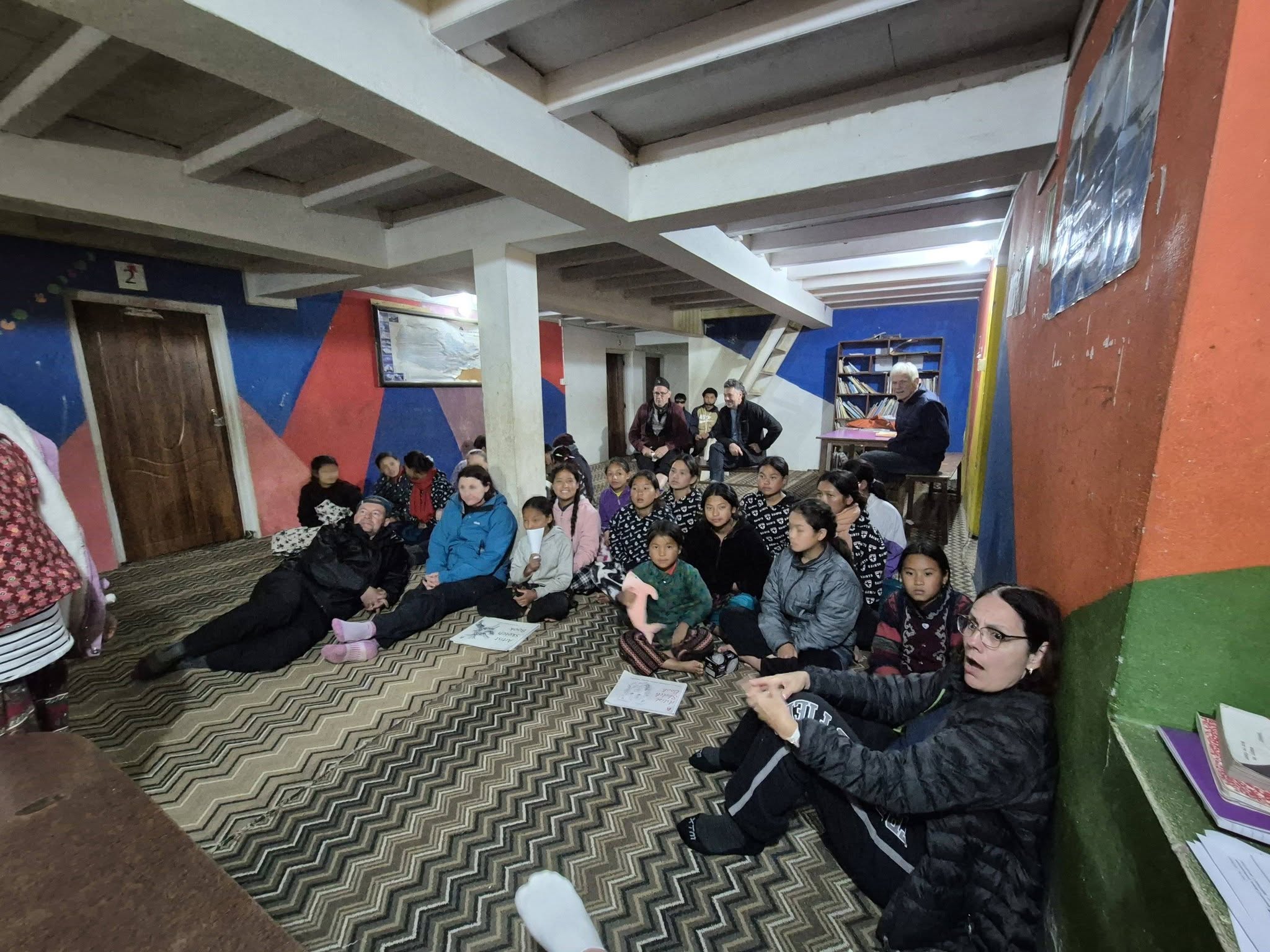
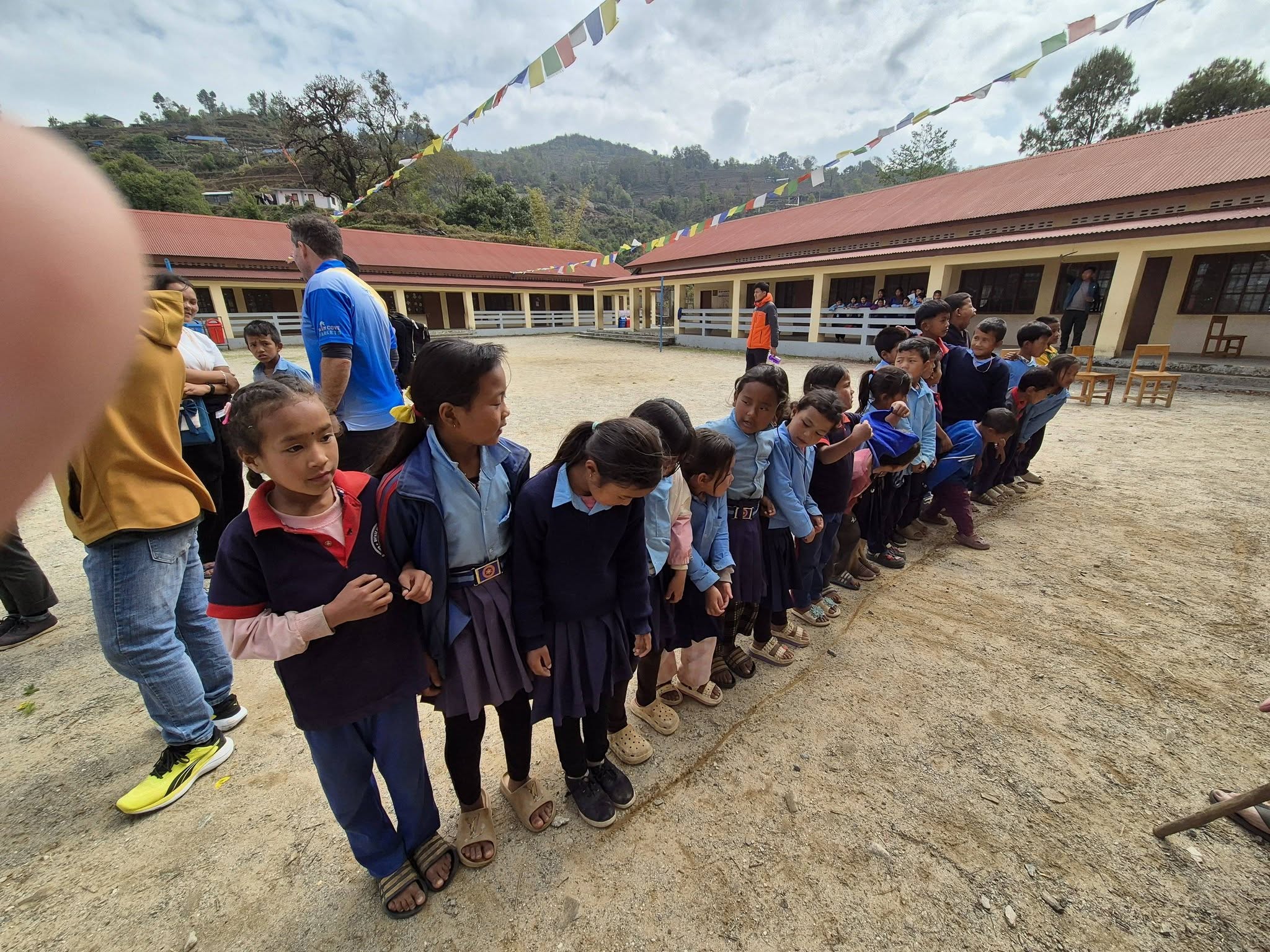
Many children currently walk two to three hours each way to attend school. This demanding daily journey often leads to fatigue, irregular attendance, or early withdrawal from education. Safe accommodation near the school will allow students from surrounding villages to attend regularly, rest properly, and focus on learning.
The hostel will also provide comfortable housing for teachers. Quality accommodation is essential to attracting and retaining skilled educators willing to work in a remote setting. With improved facilities, the school can strengthen its teaching staff and enhance educational outcomes.
By expanding access for both students and teachers, this project will enable Batase School to serve as a central education hub, ensuring distance and geography no longer limit a child’s future.
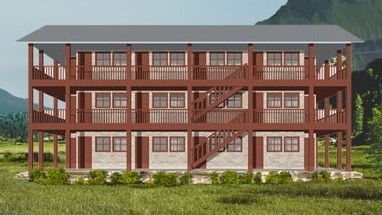

We want to construct, in partnership with FHC, multi-storey accommodation and teaching facilities to attract quality teachers to Batase Village.
FHC has the land and plans ready to start construction. Now we just need the funds to start the build!
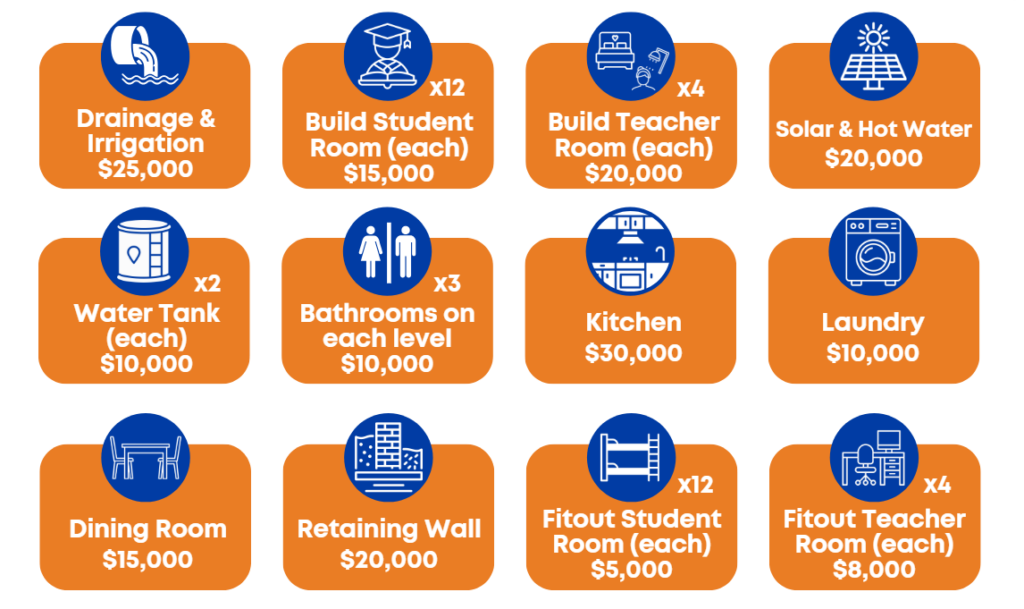
The budgeted amount to complete this project in full is approximately AUD $500,000 (the amount is approximate depending on build costs when construction can commence).
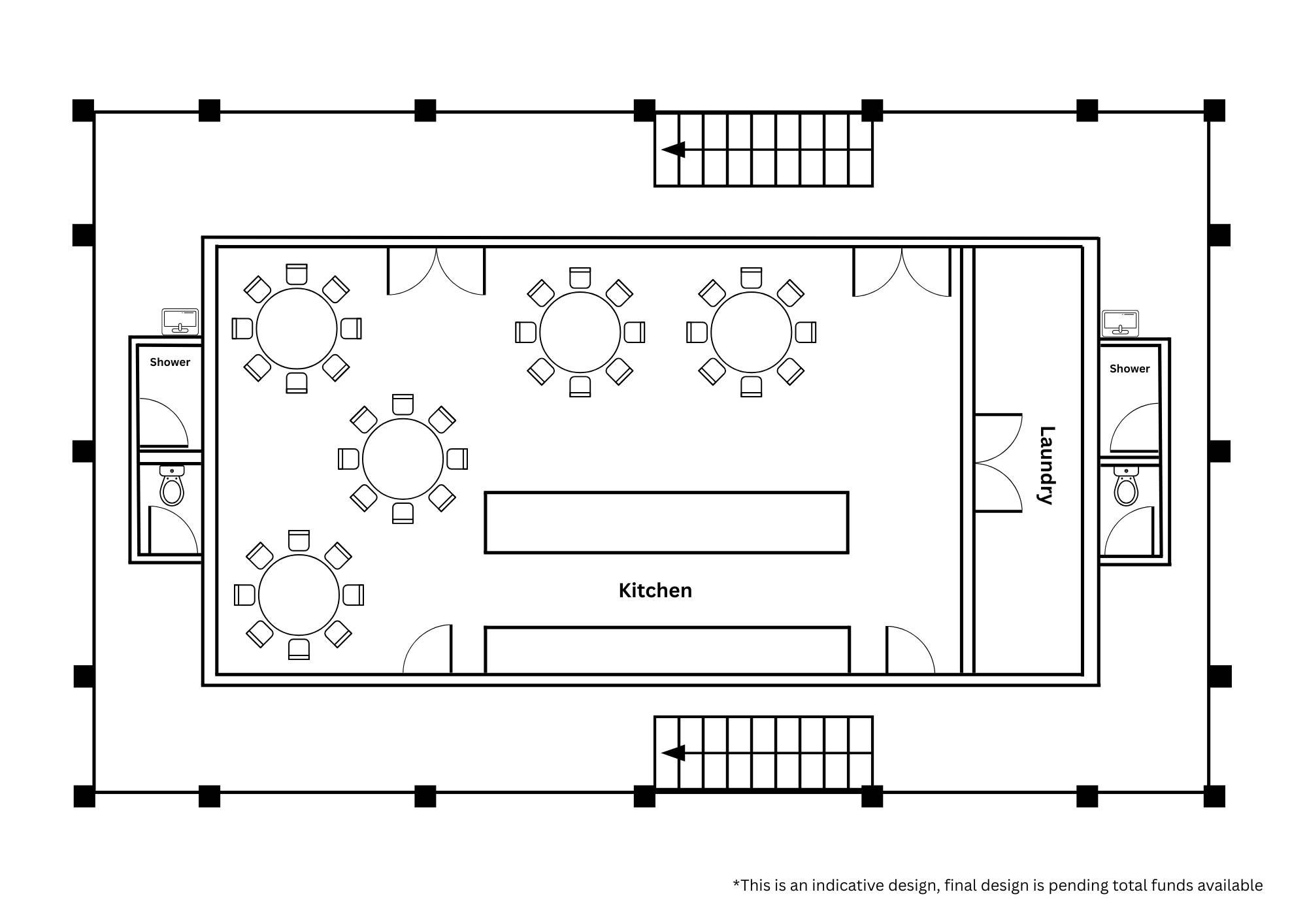
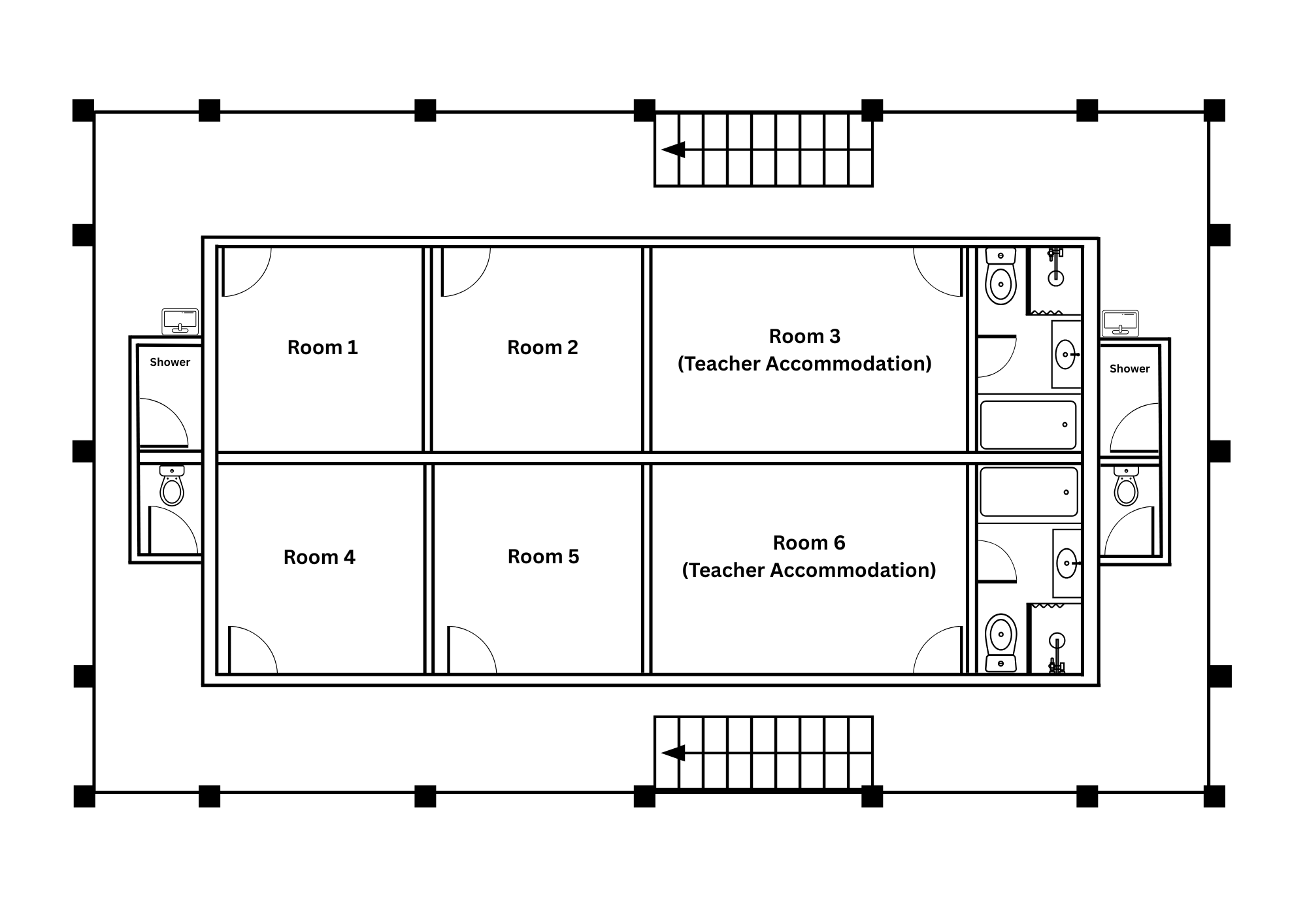
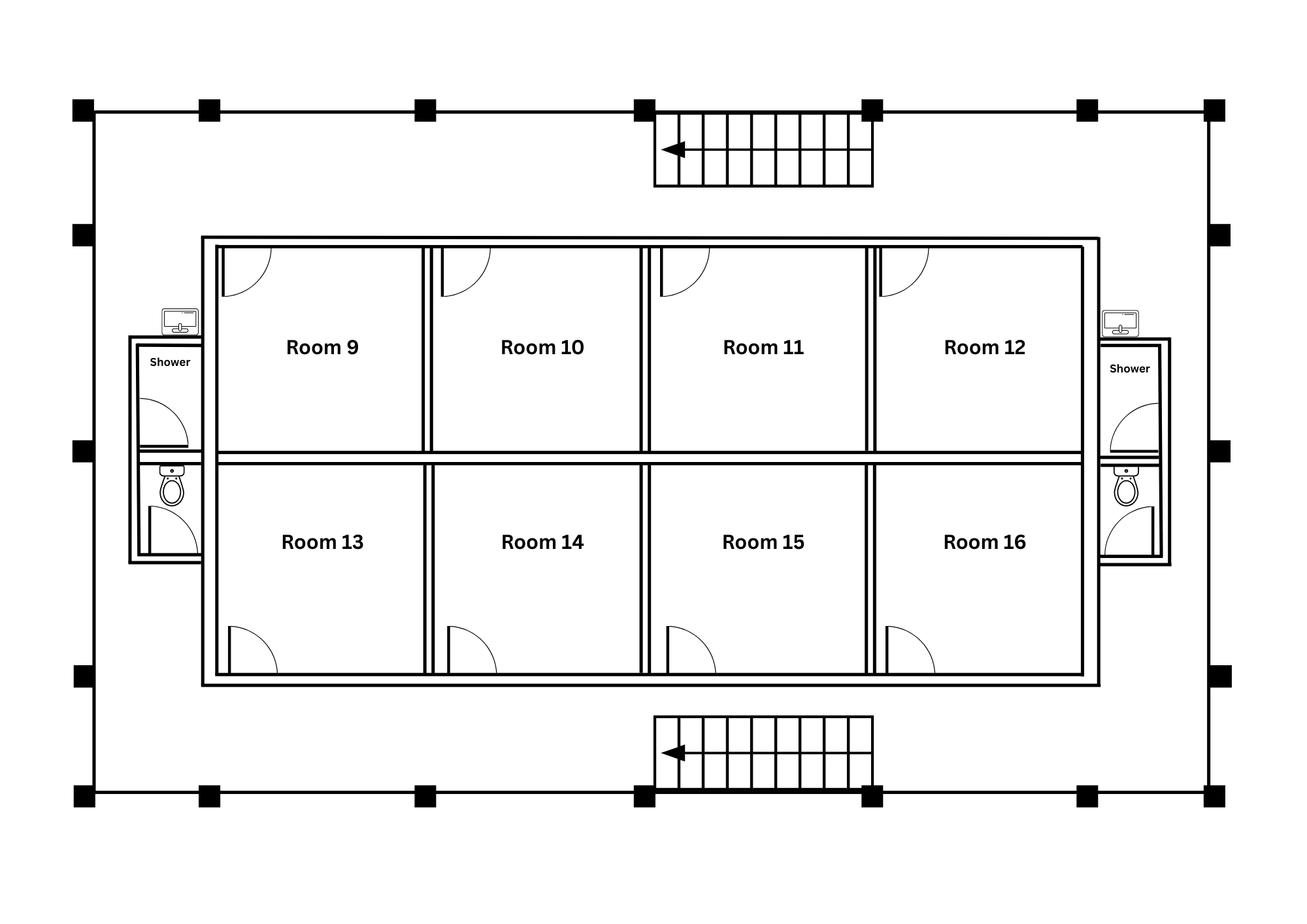
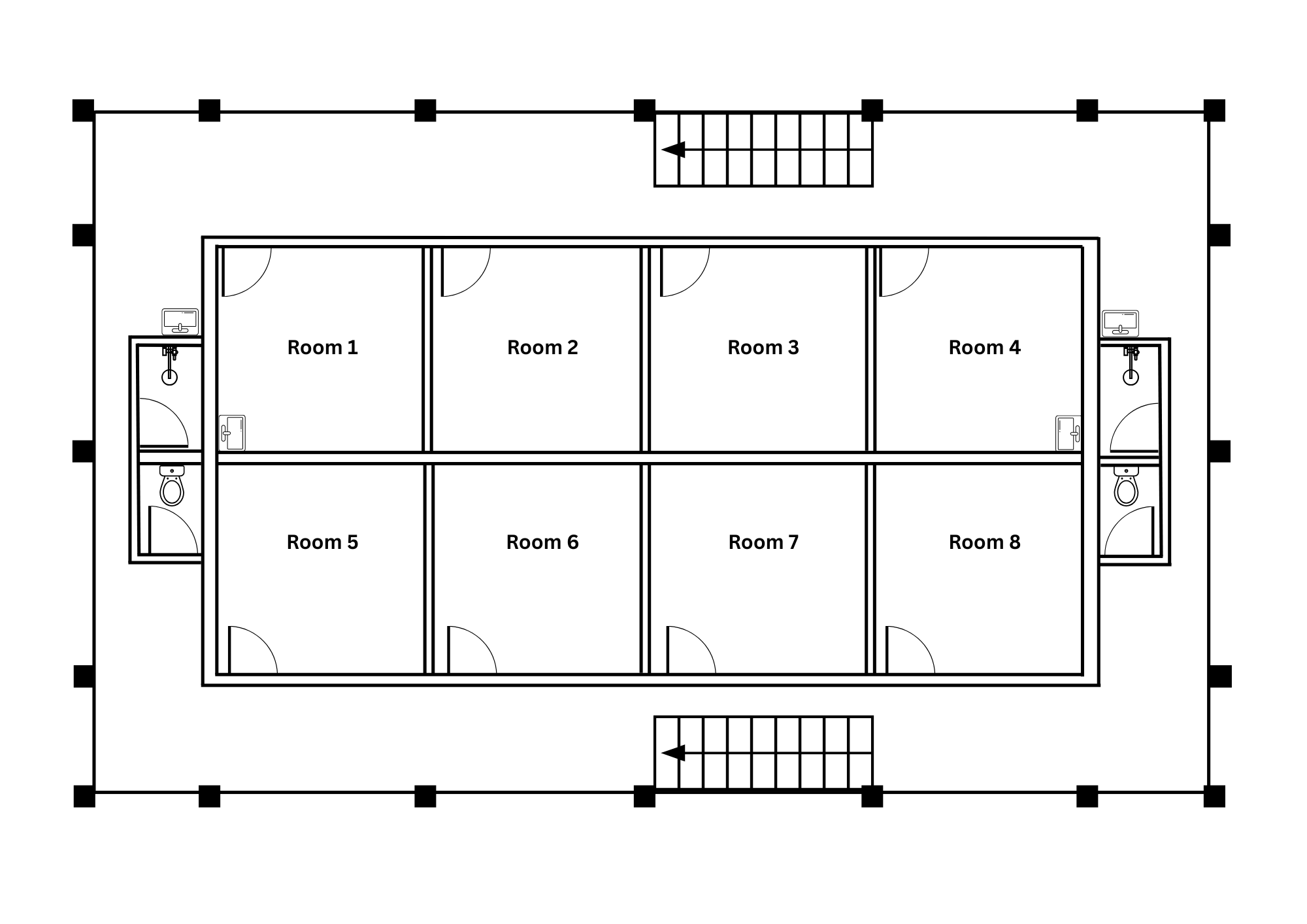
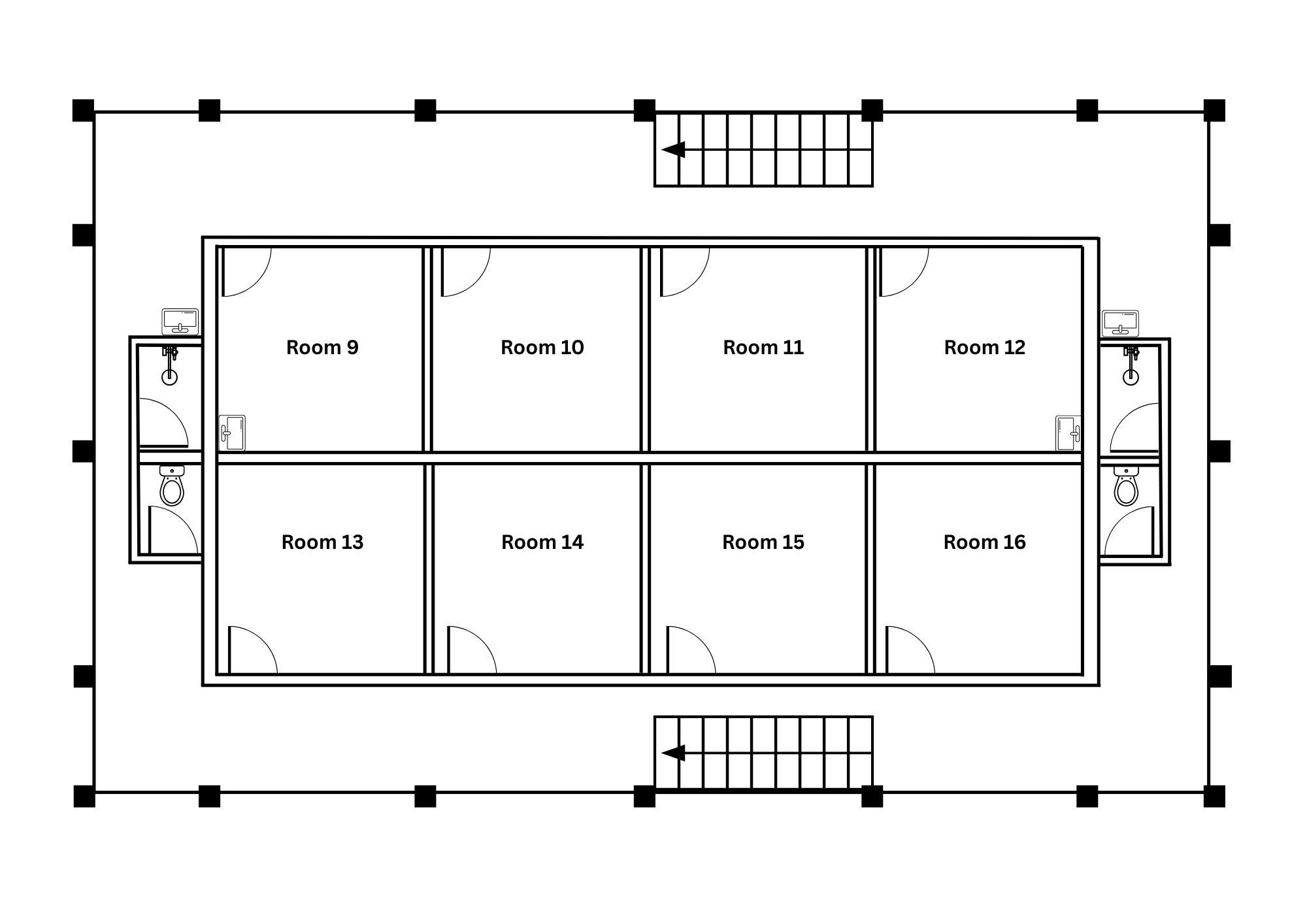
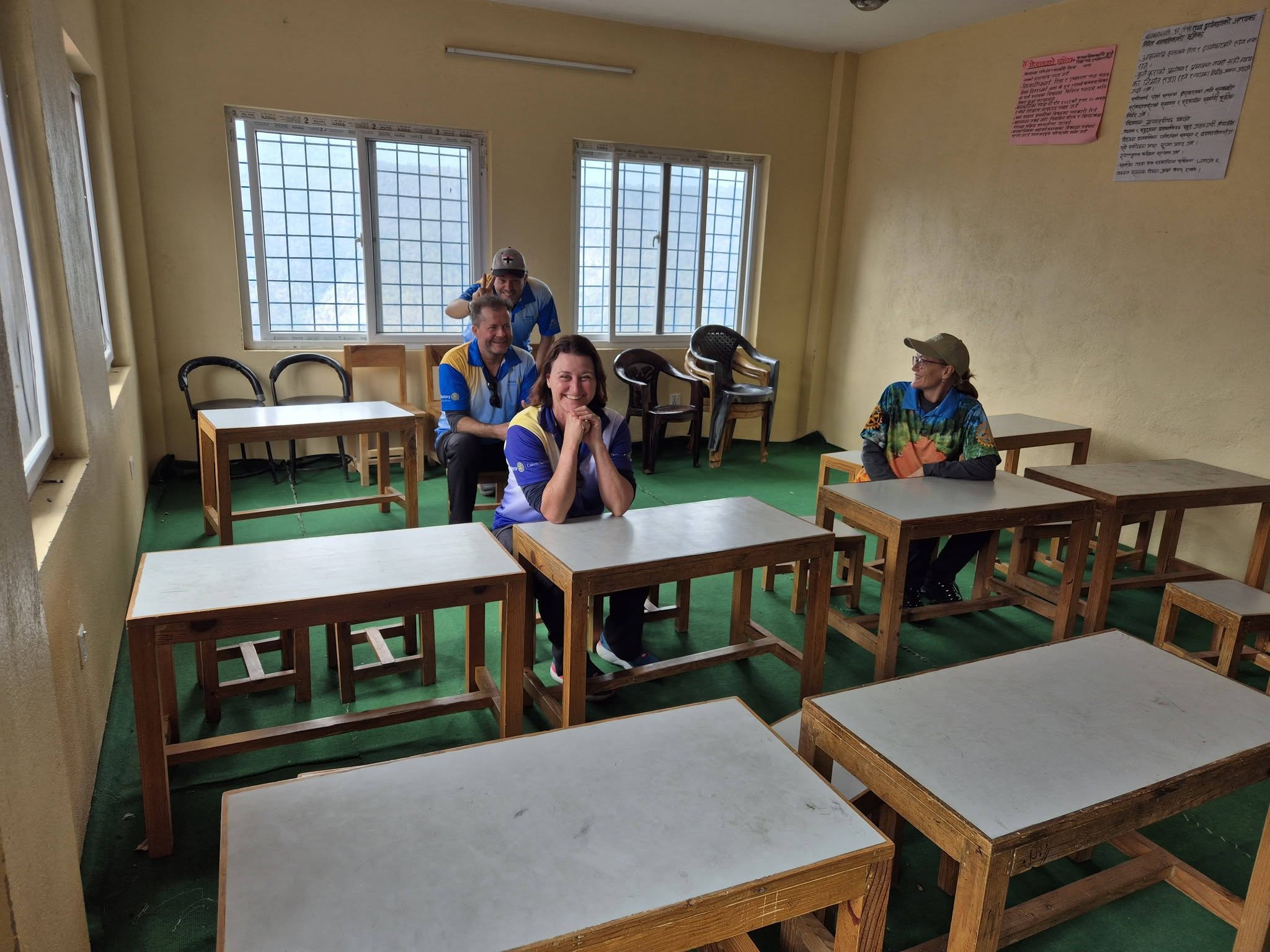
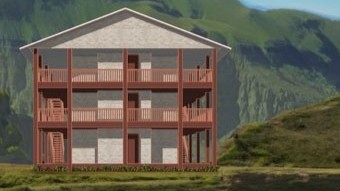
The completed building would incorporate either 16 rooms to sleep 64 students OR 12 rooms to sleep 48 students and four rooms for teachers. Each student room will have two sets of bunk beds, desks and a wardrobe. Teacher rooms would include a basin.
The ground floor would be open plan (16m x 8m) which could be divided into classrooms or more accommodation (depending on the demand). There would be a kitchen, laundry and dining room. Each level would have two toilets and two showers.
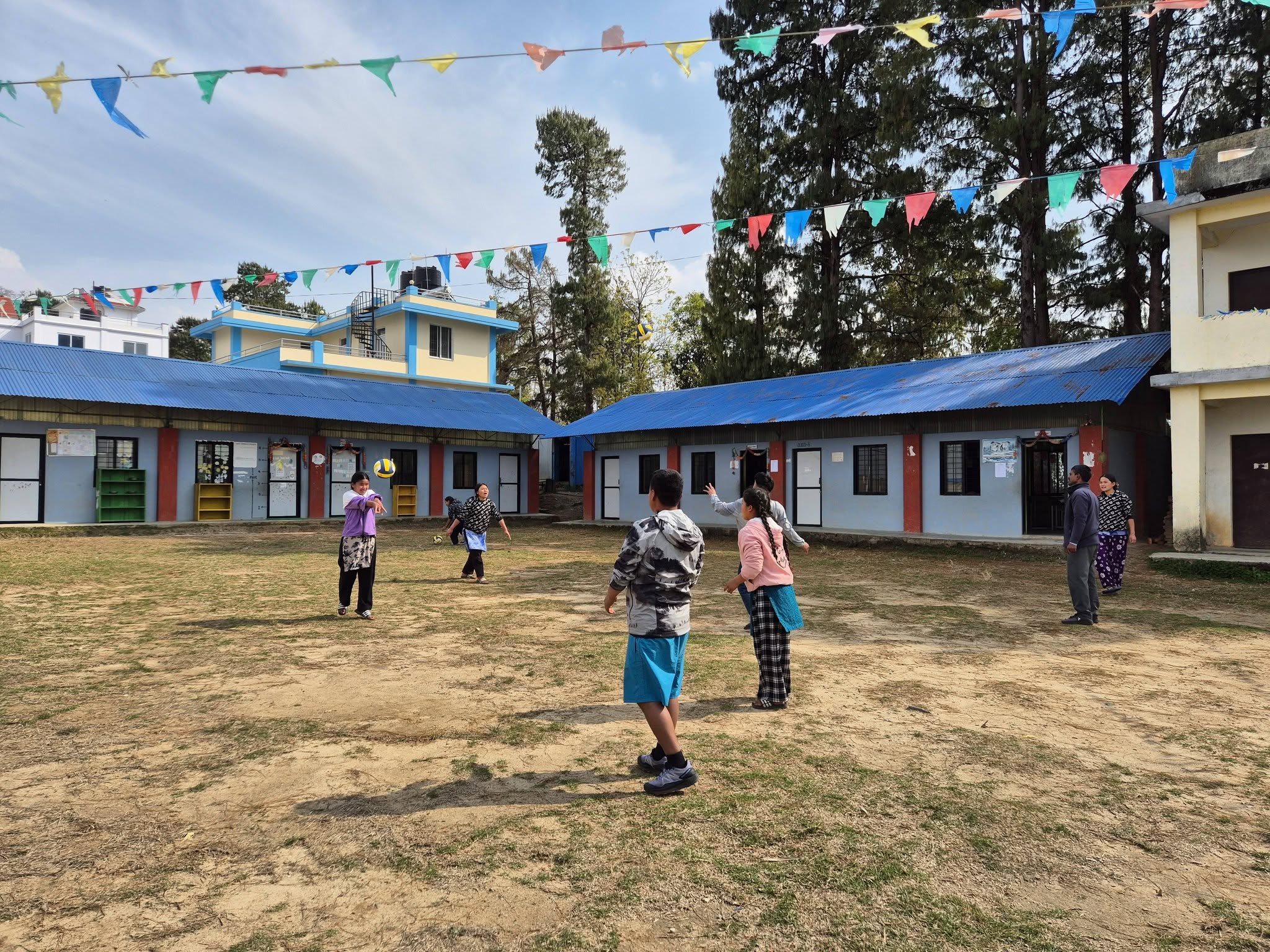
There may be solar power and hot water on the roof, and space for a volleyball court and vegetable garden in the yard space.
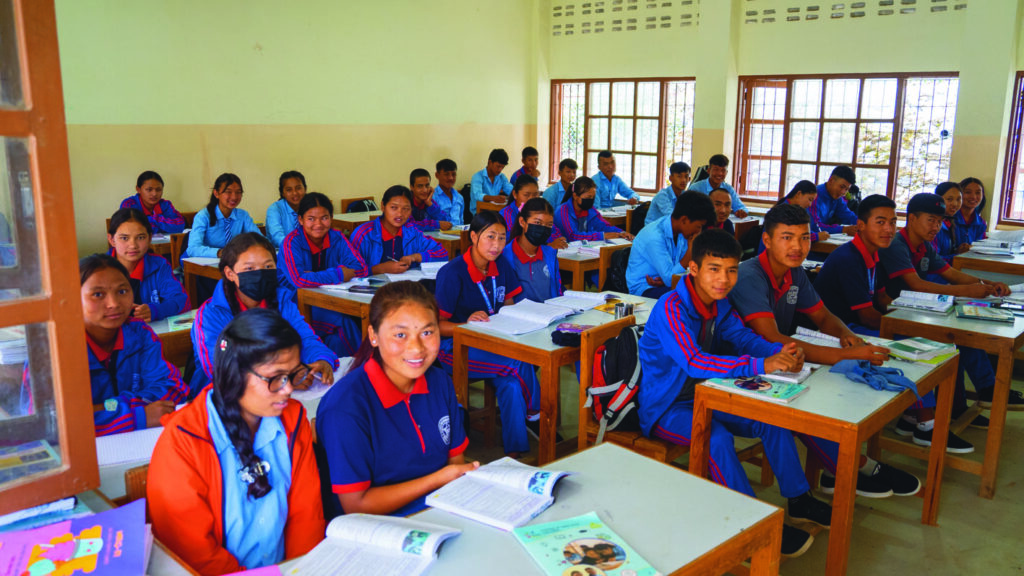
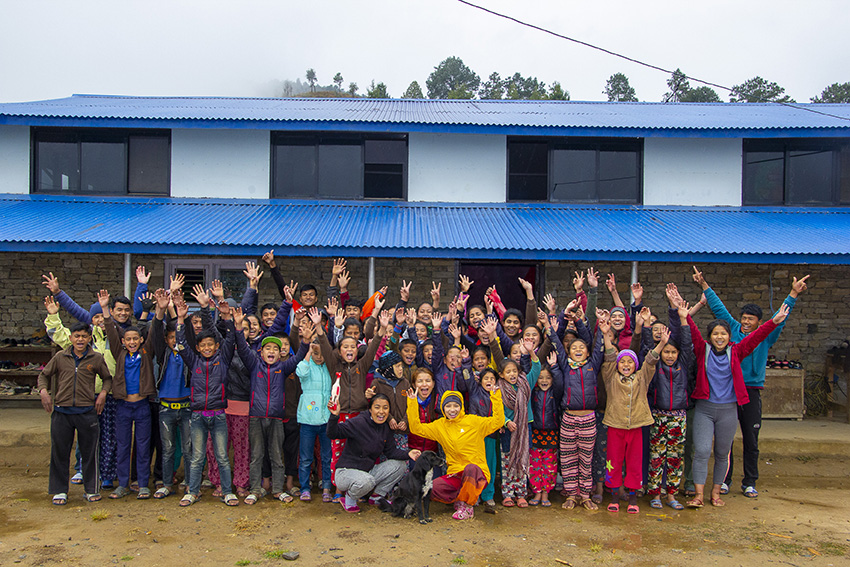
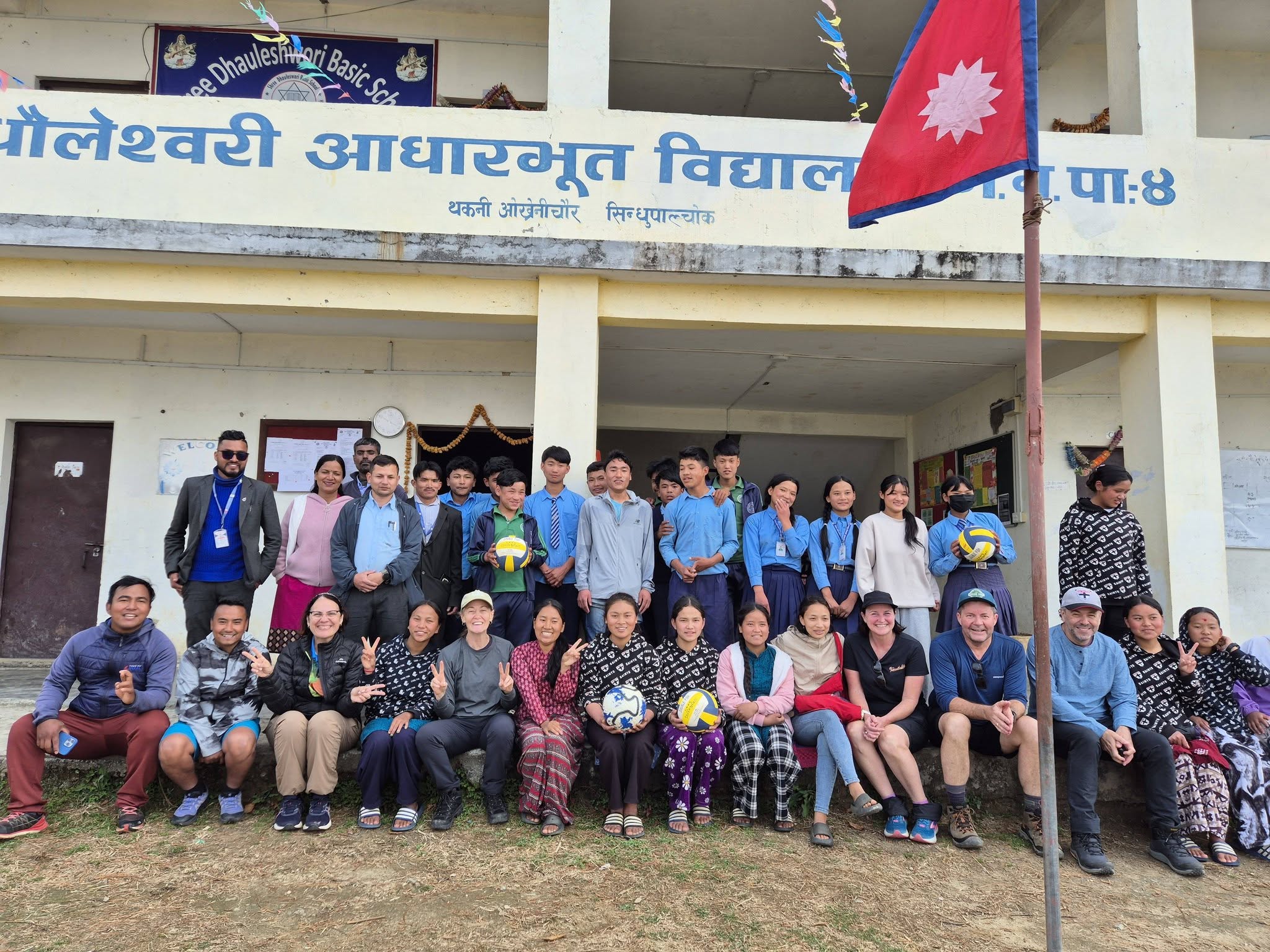
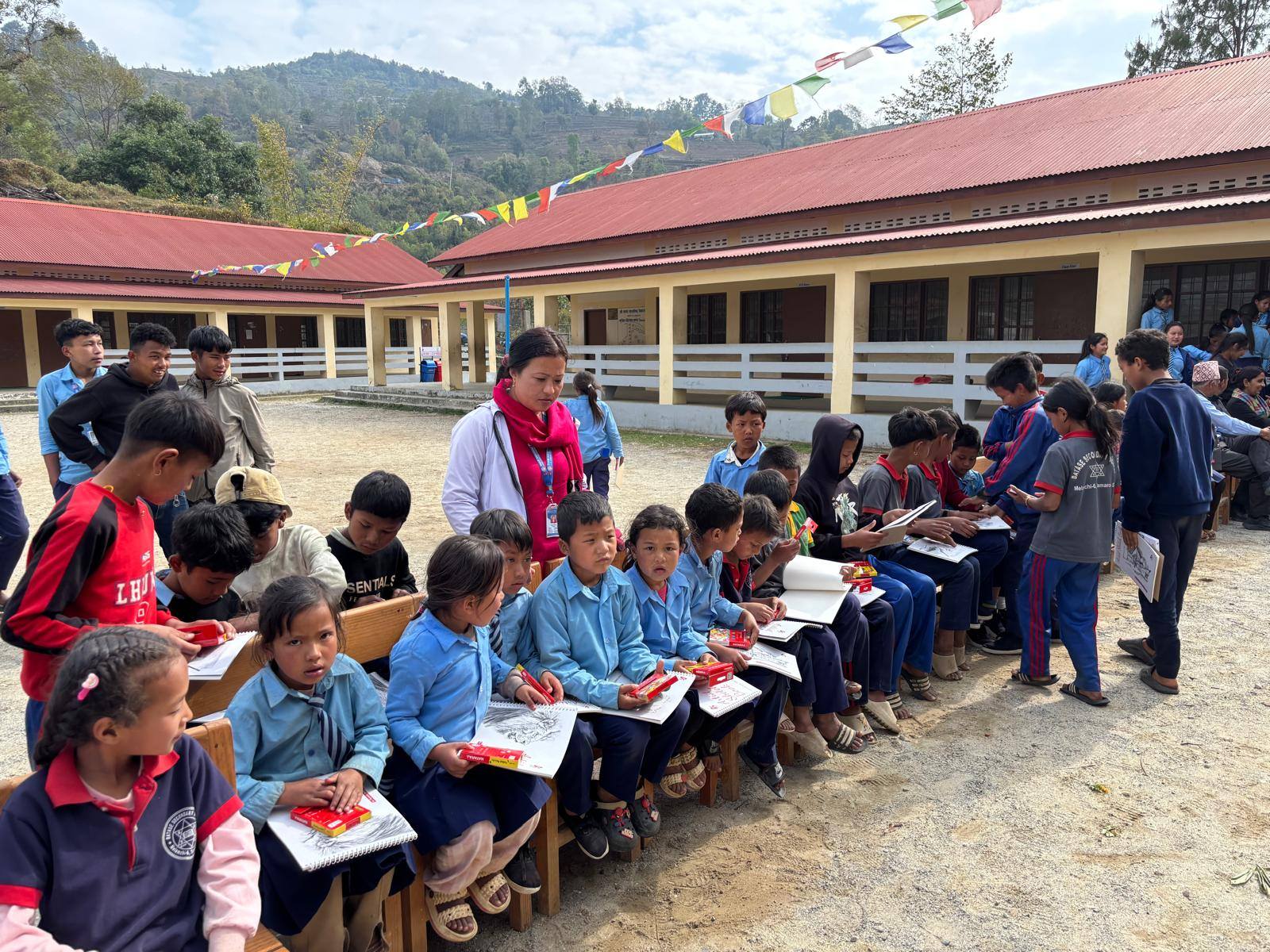
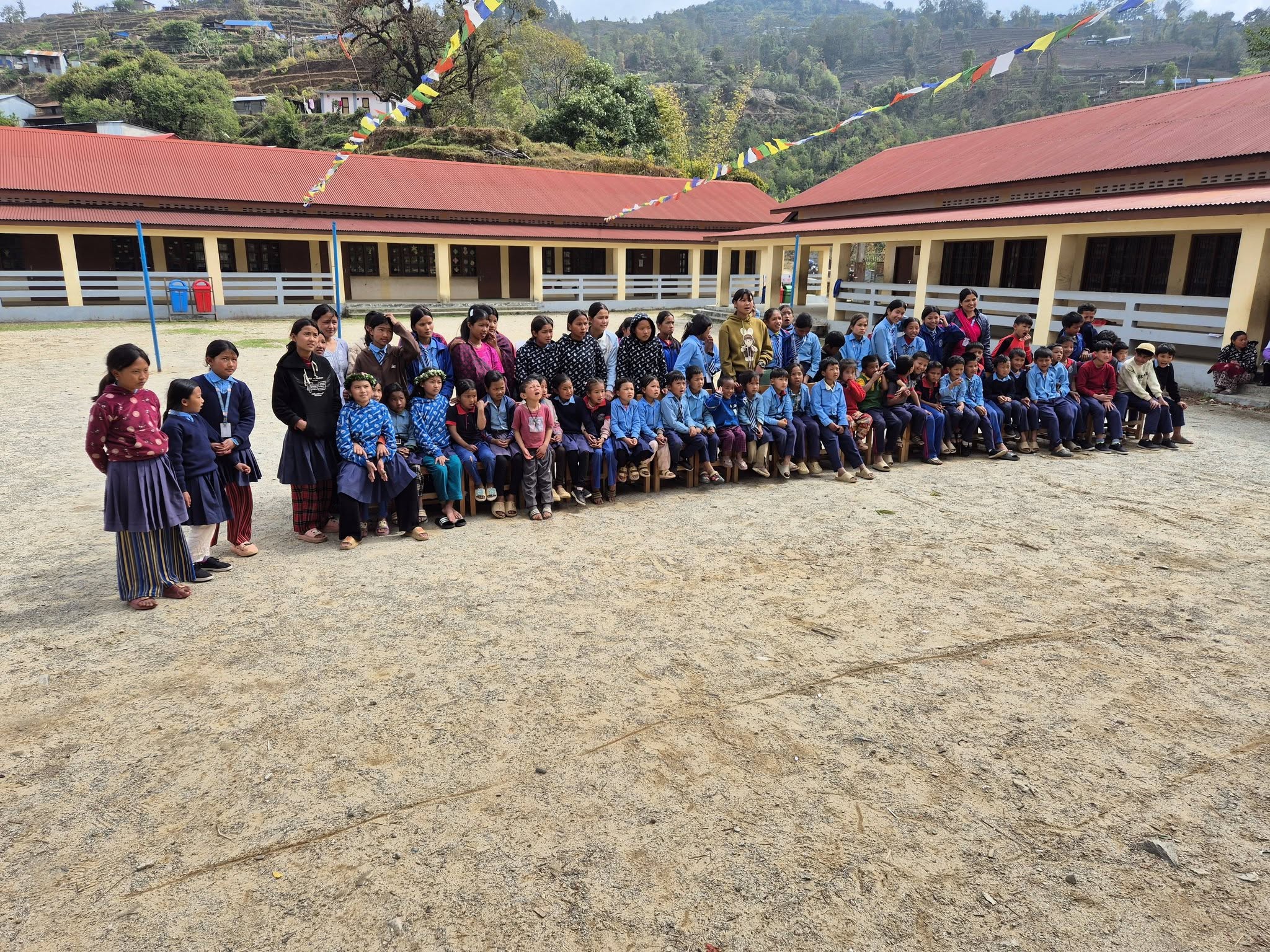
Batase School has grown from its humble beginnings in 1985, when it only offered classes to Grade 3 and children walked hours each day to continue their education elsewhere. Today, the school serves around 185 students across 10 grades, making it the only secondary school for a wide surrounding area.
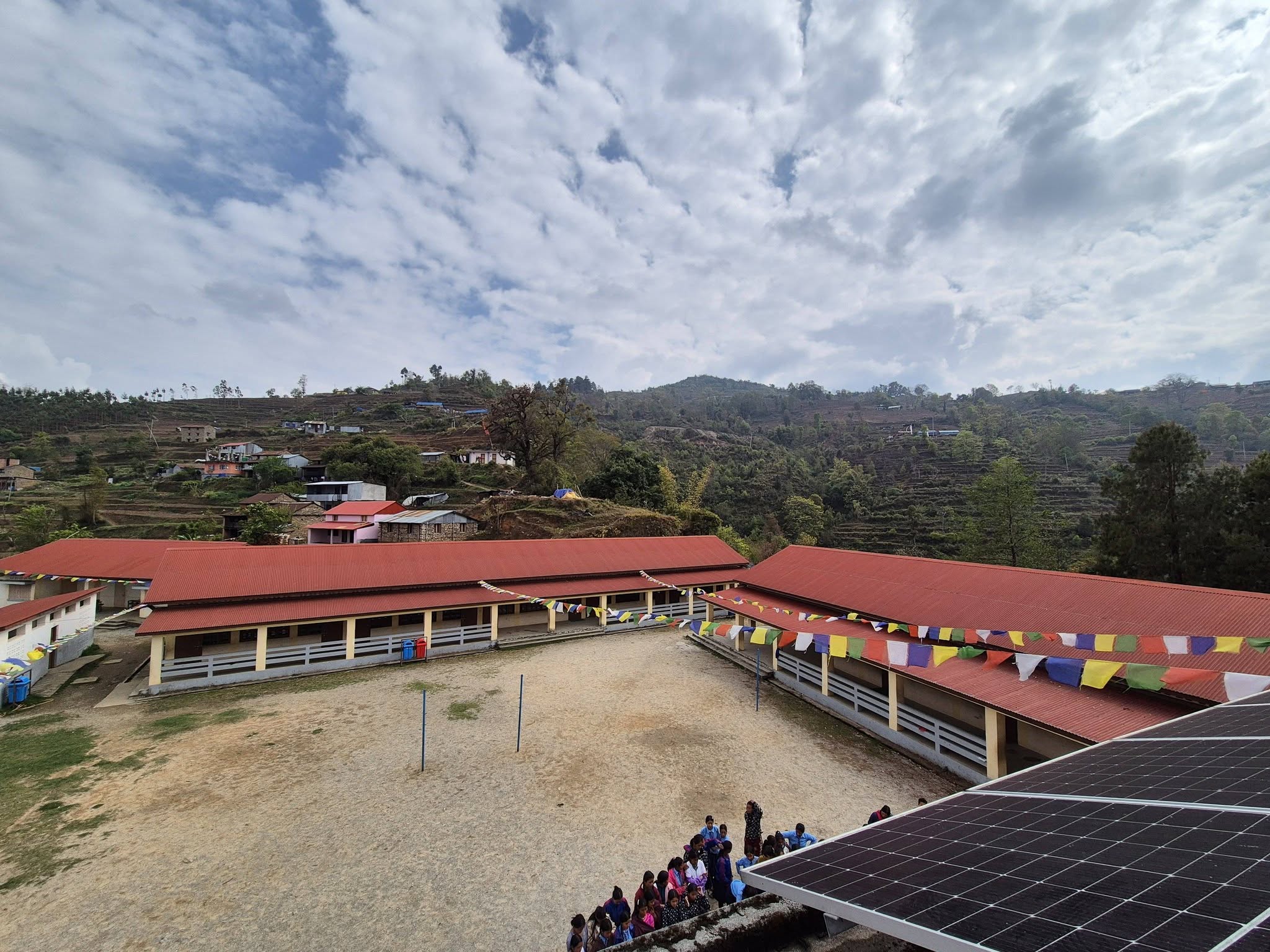
Over the years, community‑driven efforts and partner organisations have helped expand classroom facilities, add Grades 6–10, and reduce the need for long daily walks for older students. After the devastating 2015 earthquake destroyed the school, it was rebuilt with seismically safe new buildings, improved classrooms, and a hostel for students who previously had no safe accommodation.
Despite this progress, Batase School can only offer education up to Grade 10. Students seeking Grades 11 and 12 must currently relocate to Melamchi or Kathmandu—an option too costly or unsafe for many families. A major priority today is expanding the school to include senior secondary grades, creating teacher and student accommodation, and ensuring Batase becomes a fully functioning regional education centre.
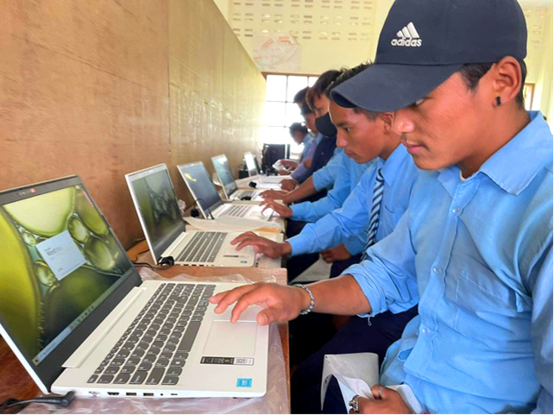
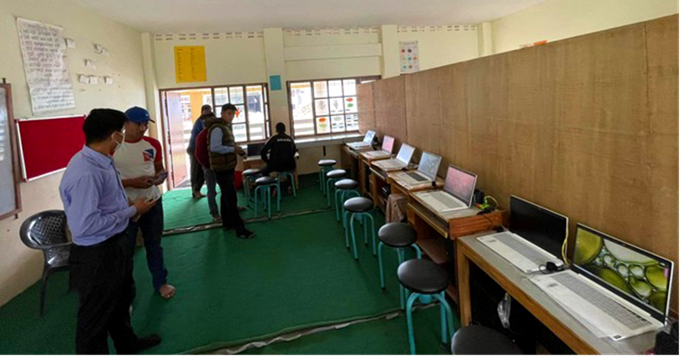
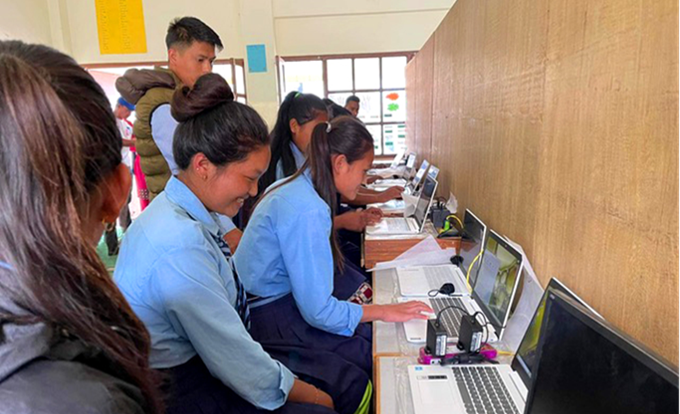
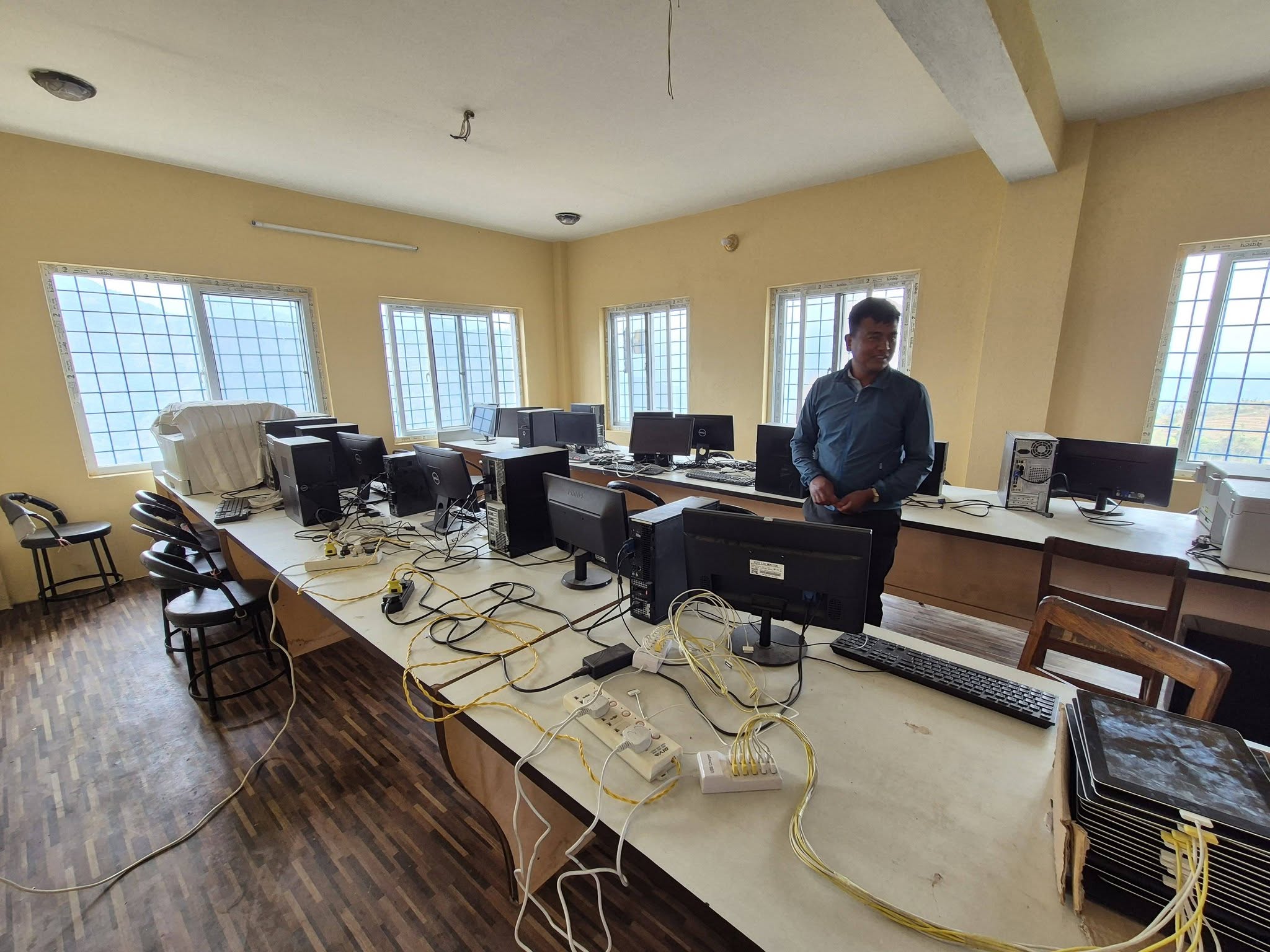
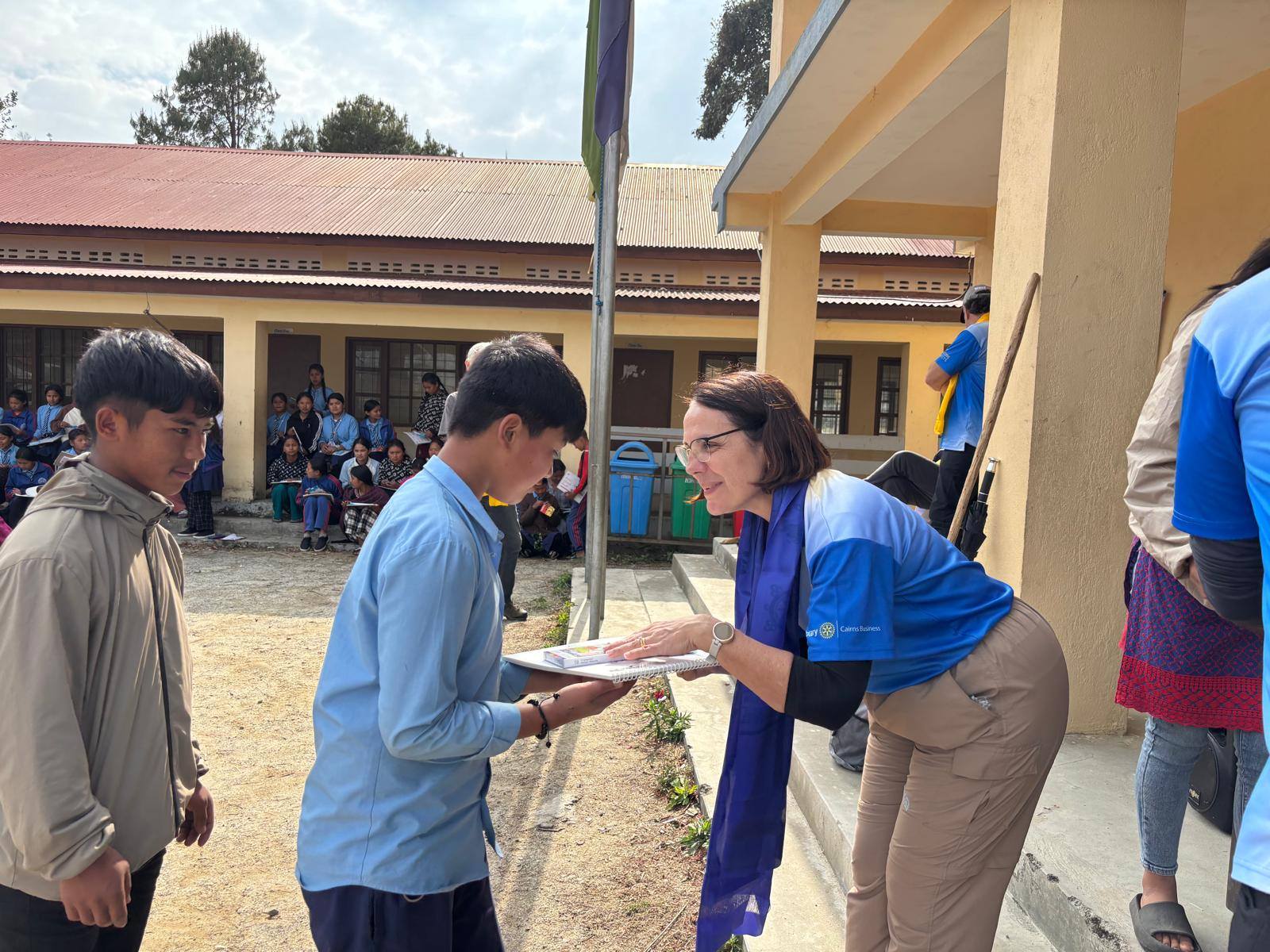
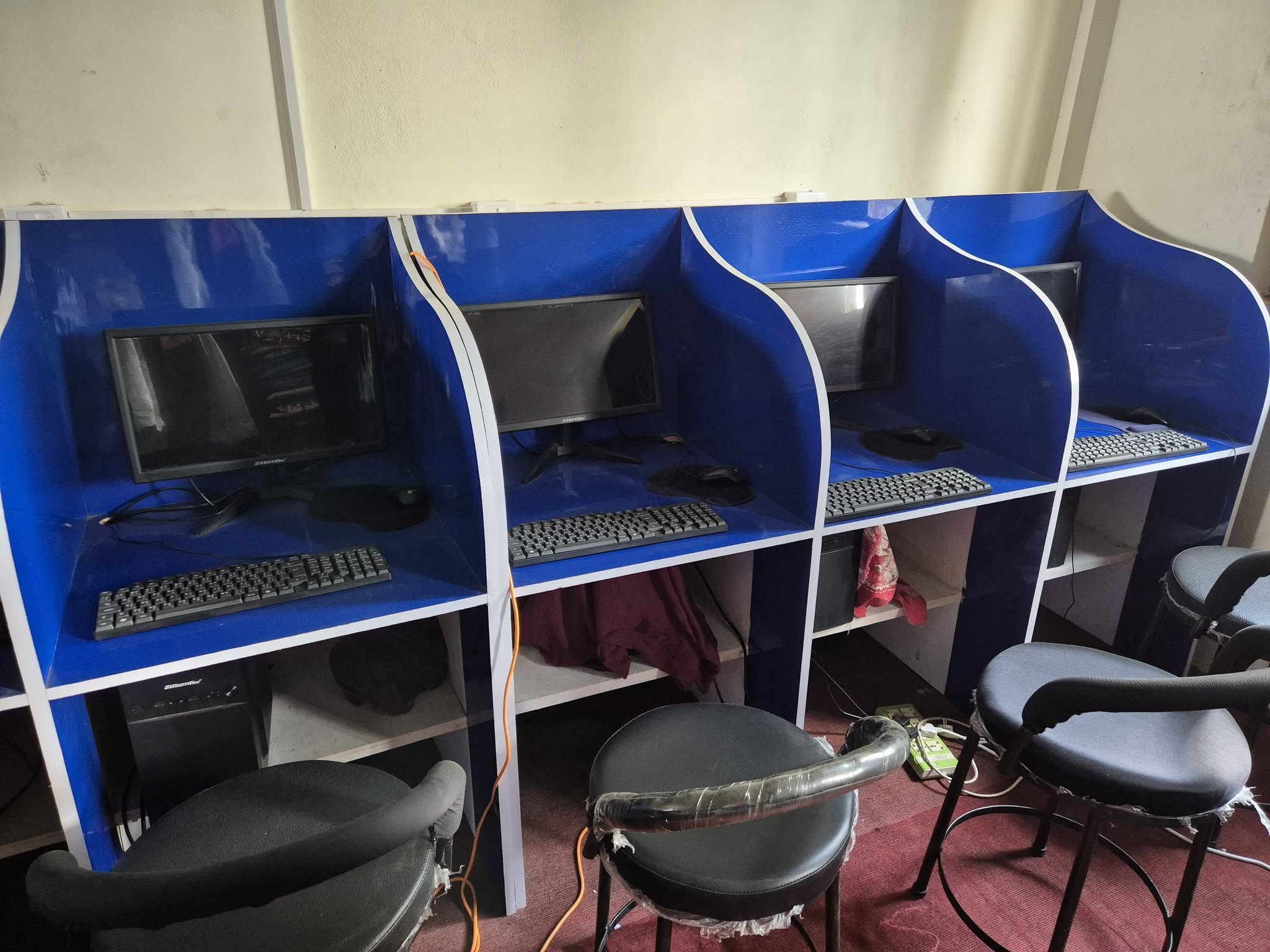
The computers you see in these photos were as a result of district grant by the Rotary Club Cairns Sunrise in 2021/2022 year. In conjunction with a private donation, Rita’s club were able to help the school get $10,000 for new computers, a teacher and internet for a year. The school started to see improvement in the students’ results within 12 months because of this.
Rita’s Rotary club realised the school would need help taking the school to the next level of providing a building for students from Grade 10 to grade 12.
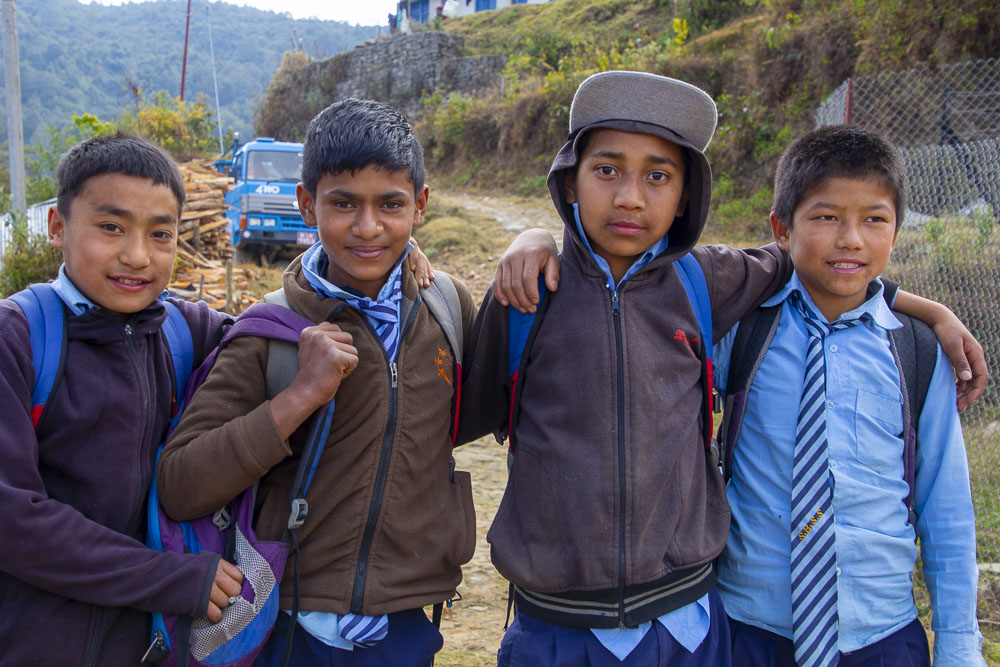
In November 2023, DG Rita with her Rotary Club received approval for a RAWCS project thanks to the help from Paul Asprey who is our district RAWCS representative. Rita is the project manager for this RAWCS project which is part of the RC Cairns Sunrise.
This RAWCS project is fundraising to raise the funds needed to build this project in full.
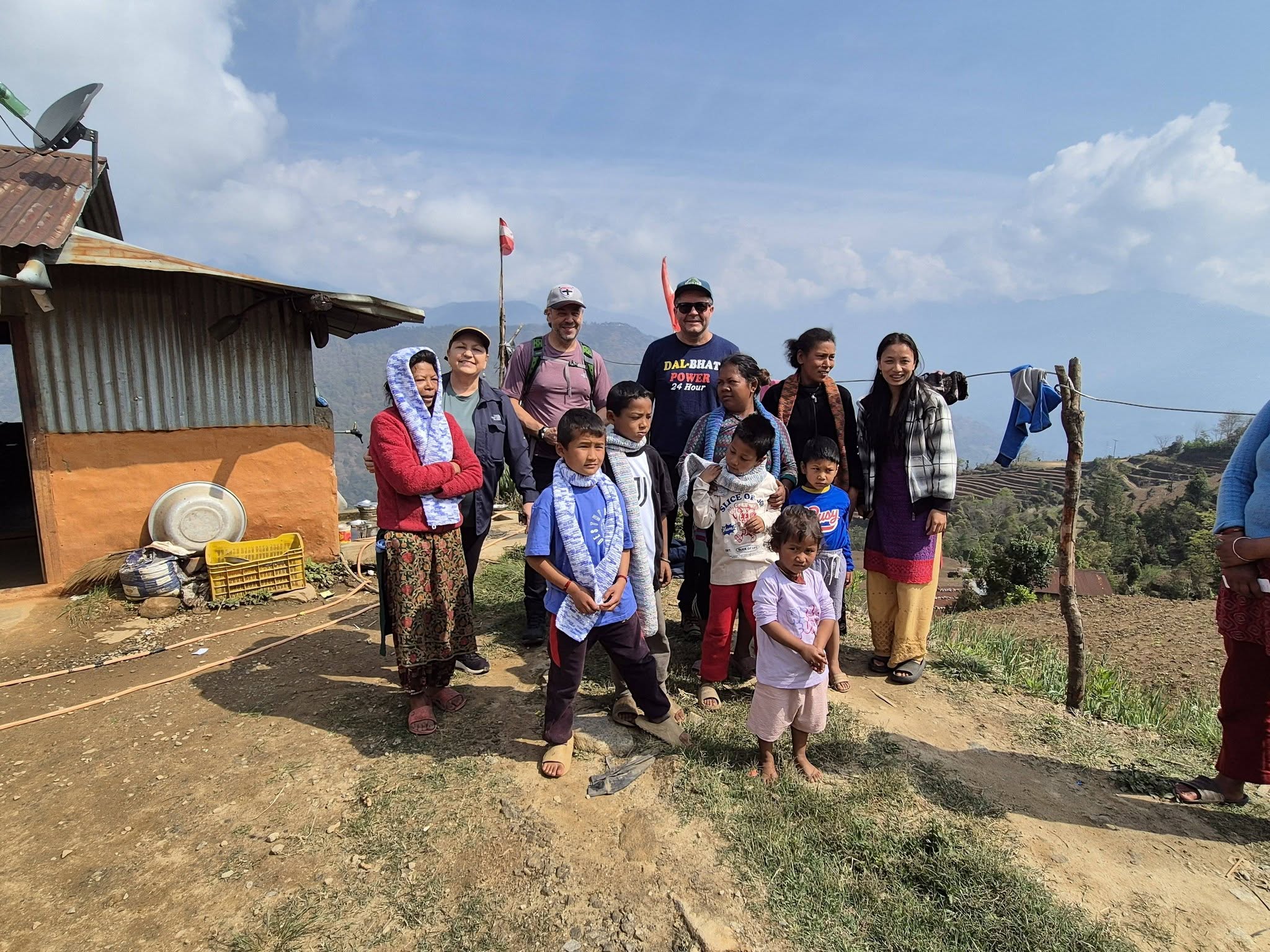
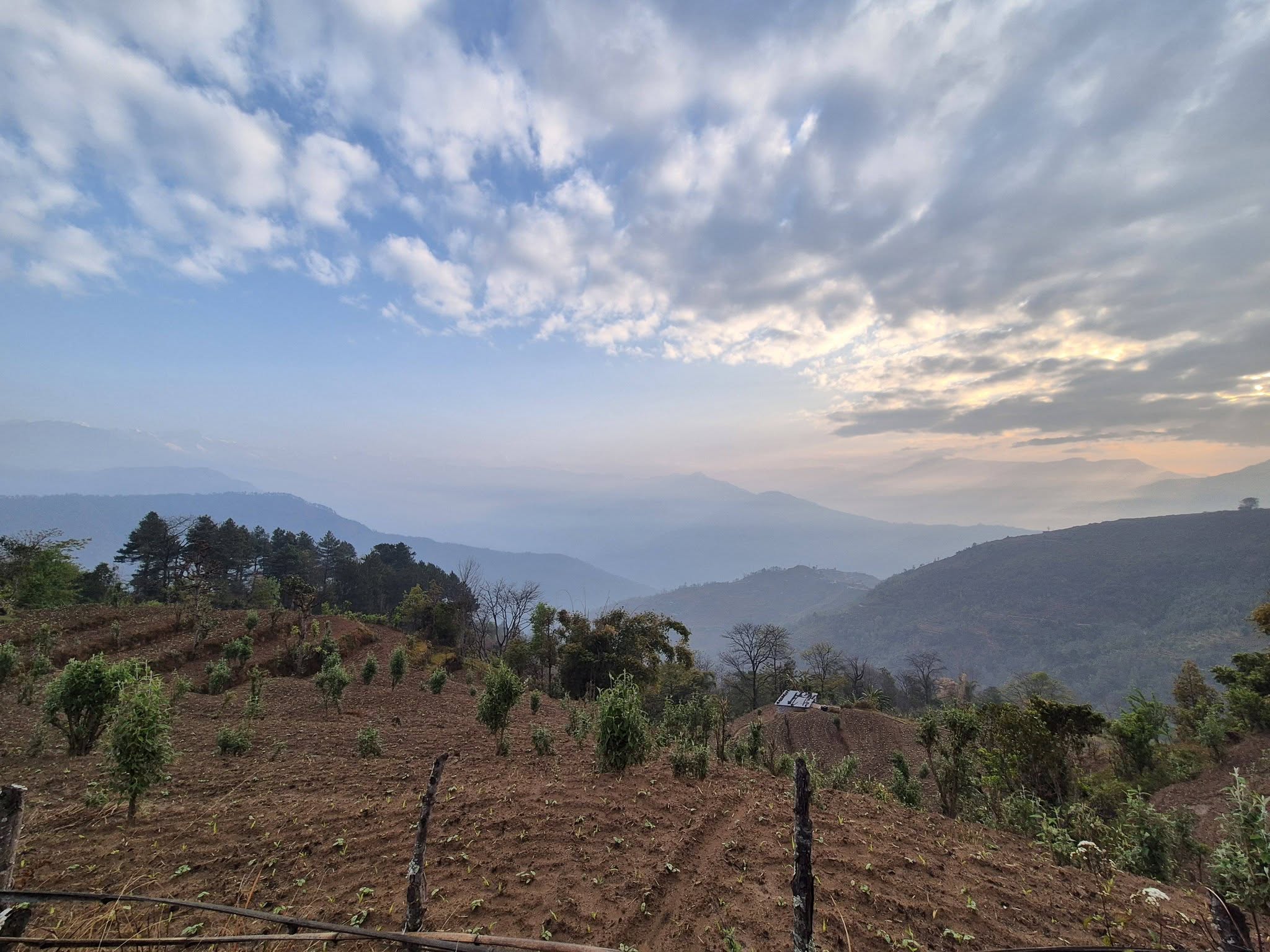
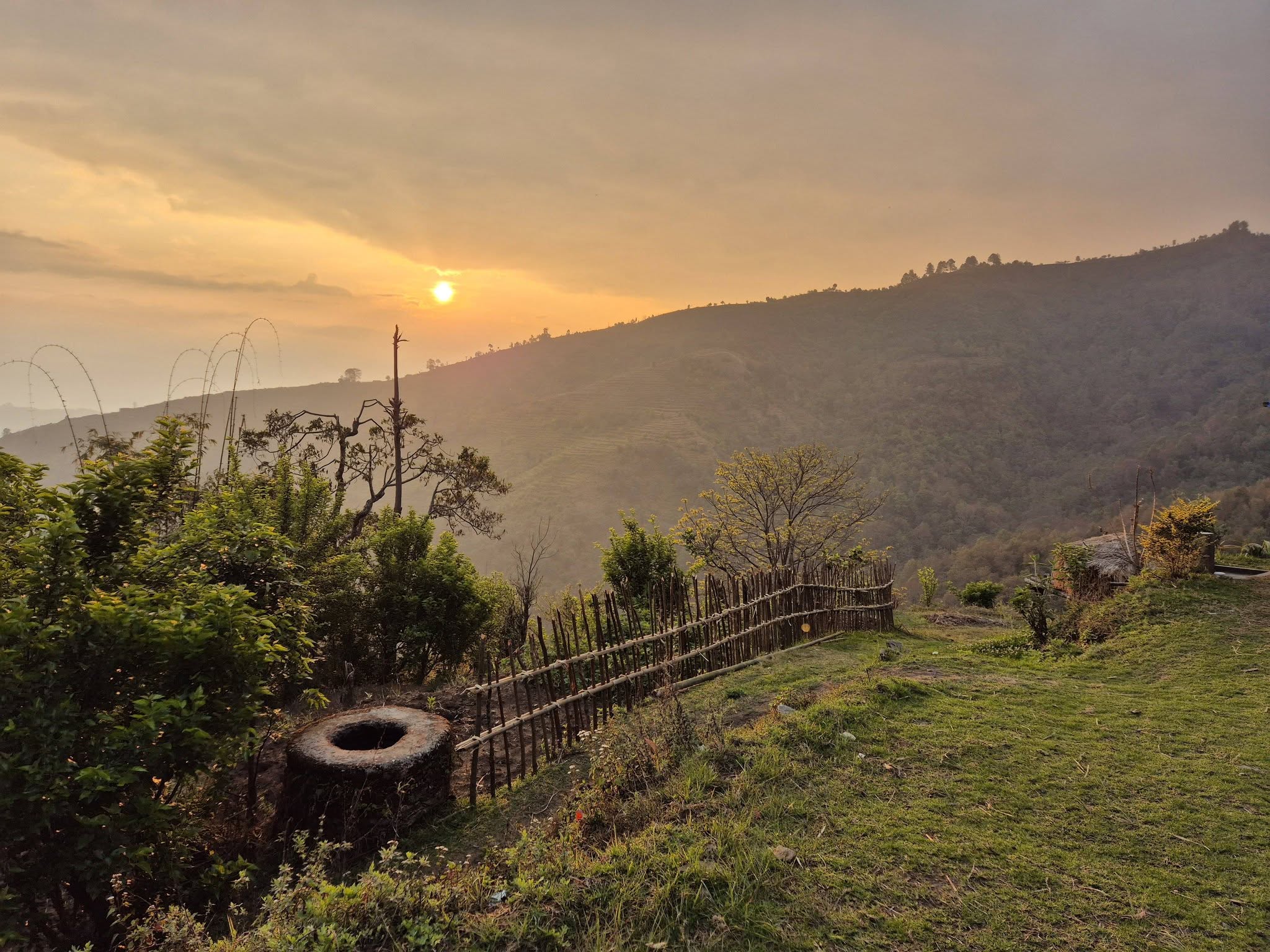
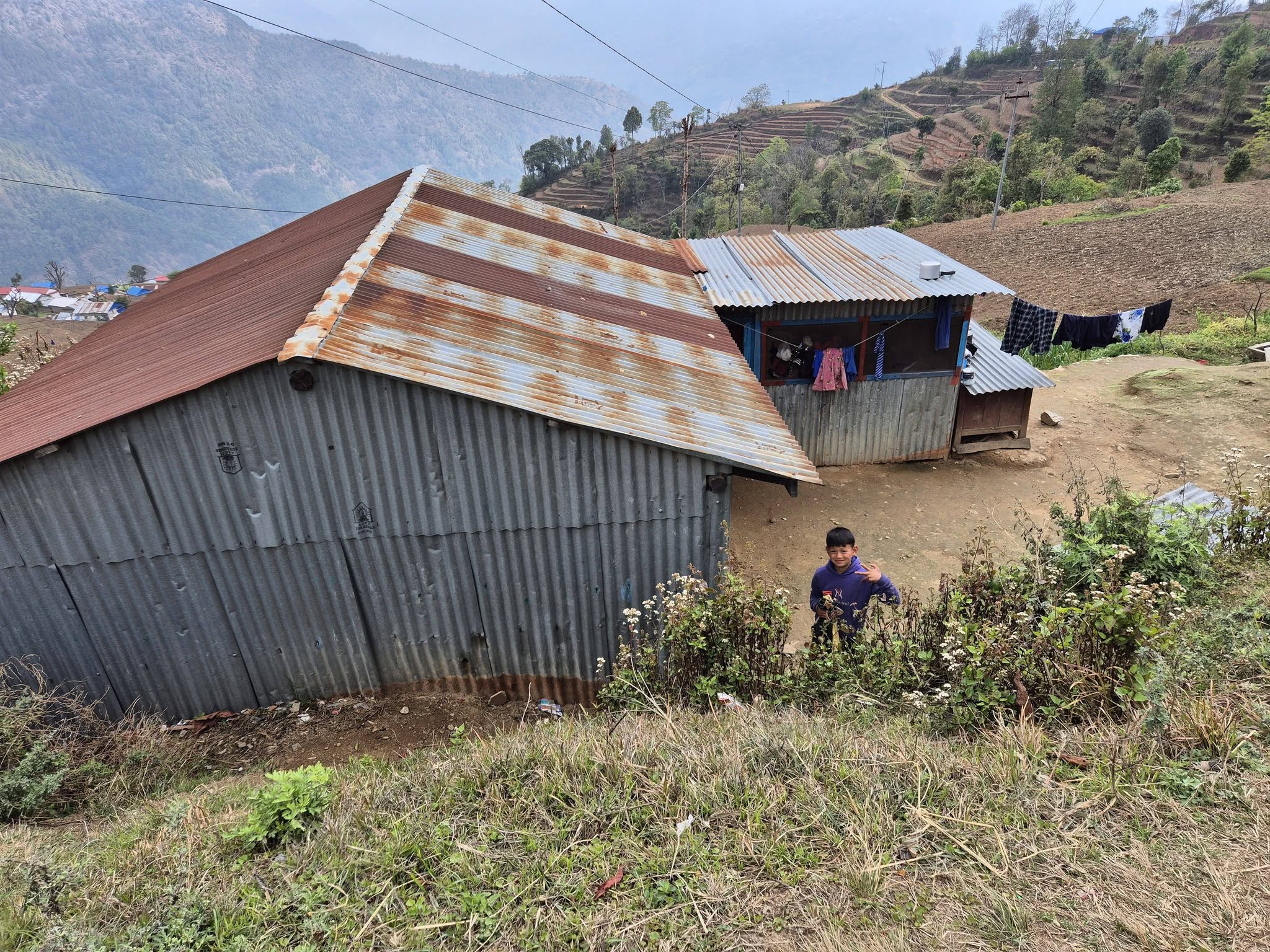
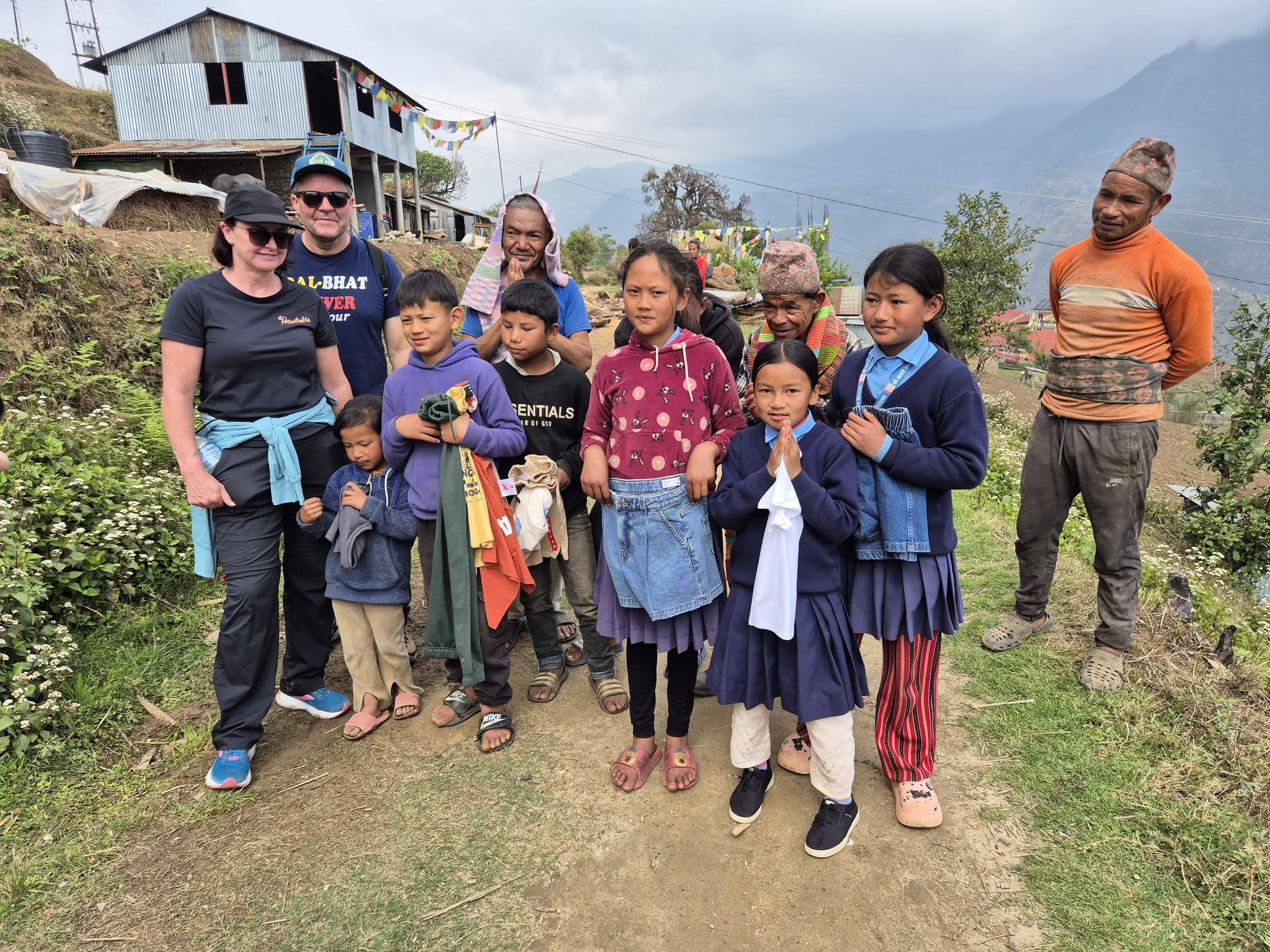
Batase is a remote Himalayan village in Nepal’s Sindhupalchok District, known for its terraced farmland, forested hillsides, and breathtaking views of the Langtang mountain range. The village is home to a predominantly Tamang community whose traditions, hospitality, and strong sense of community remain central to village life.
For decades, Batase’s isolation has shaped the challenges its young people face. Children once walked long, steep, and often dangerous routes—up to several hours a day—to reach schools beyond the early grades, creating a barrier to ongoing education. The establishment and expansion of the Batase School changed this trajectory dramatically.
Batase has also become a growing hub for community development and cultural engagement. Visitors and volunteers are increasingly drawn to the region’s natural beauty and its strong focus on education and empowerment, creating new opportunities for the village.
The future of Batase depends on ensuring every child can access quality education without leaving their home community.
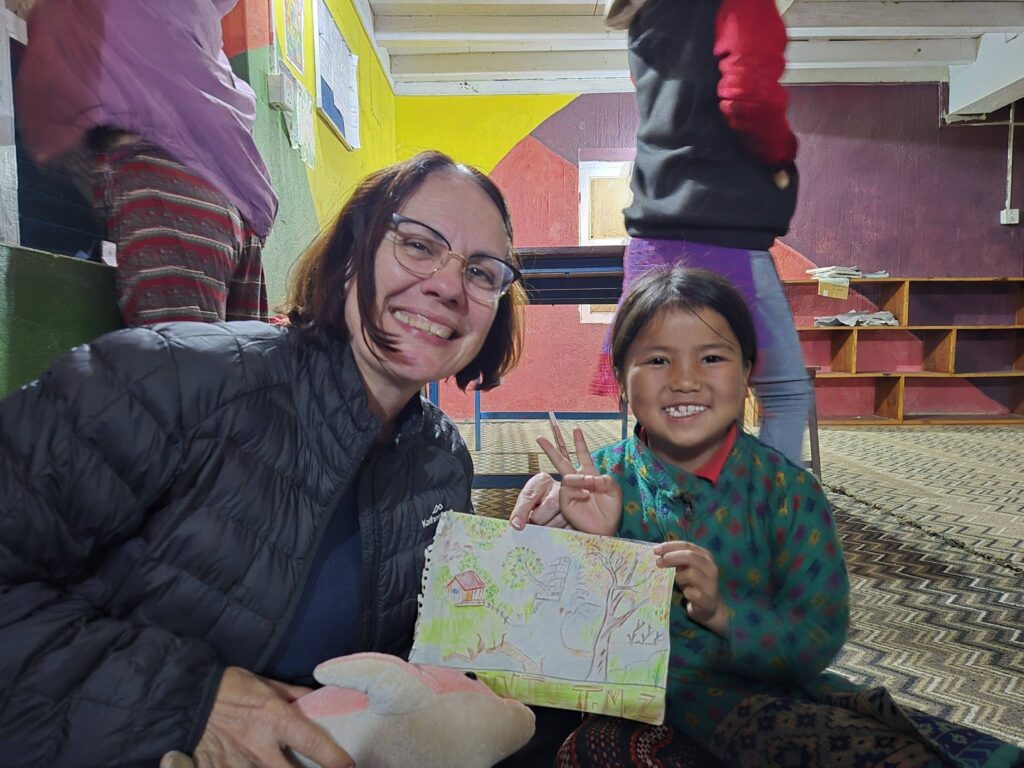
We’re asking for help! You can be part of this development!
We are asking each Rotary Club in our District to contribute $1,000 to our partner project.
If every club contributes to this project, we will be able to fund a large portion of this project! Imagine the long term IMPACT that our funds will have to the students of Batase Village for generations to come.
If you would like to contribute to a specific part of the building, please consider the items listed here.